


 English
 русский
 Español
 عربى
عربى
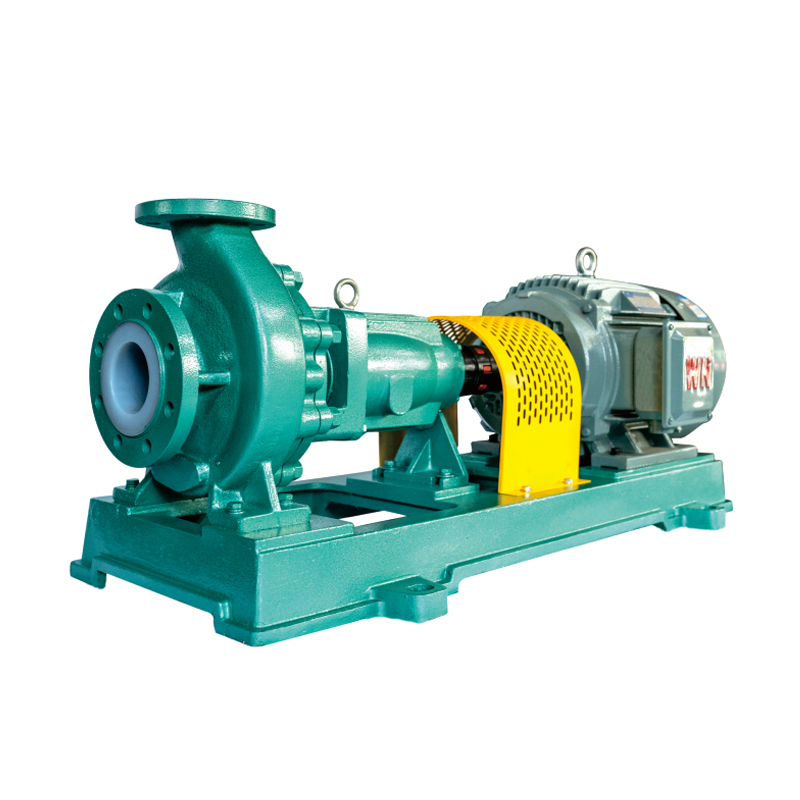
A chemical centrifugal pump is the workhorse of the process industry, designed specifically to handle corrosive, toxic, or hazardous fluids with high reliability and safety. Unlike standard water pumps, these units are engineered with specialized materials and sealing systems to withstand aggressive chemicals such as acids, alkalis, and solvents. The core principle involves converting rotational kinetic energy from an impeller into hydrodynamic energy, forcing the fluid through the discharge pipe. For engineers and plant managers, selecting the right pump configuration is critical to preventing leaks, ensuring operational continuity, and maintaining strict environmental compliance.
The primary advantage of a chemical centrifugal pump lies in its simplicity and efficiency. With no reciprocating parts, these pumps offer smooth, continuous flow with minimal pulsation. However, the harsh nature of the media they handle demands rigorous attention to material compatibility and mechanical seal integrity. A failure in either area can lead to catastrophic leaks, equipment damage, and safety hazards. Therefore, understanding the nuances of construction materials, seal types, and operational limits is essential for optimal performance.
Content
Material Selection for Corrosion Resistance
The longevity of a chemical centrifugal pump is directly determined by the materials used in its wetted parts, including the casing, impeller, and shaft. Selecting the wrong material can result in rapid corrosion, leading to premature failure and potential contamination of the process fluid.
Metallic Alloys
Stainless steel (316L) is the most common material for general chemical applications, offering good resistance to a wide range of corrosives. For more aggressive environments, superalloys like Hastelloy C-276 or Titanium are employed. Hastelloy provides exceptional resistance to oxidizing and reducing acids, while Titanium is ideal for chlorides and seawater. However, these materials come at a significantly higher cost, so their use must be justified by the specific chemical composition and temperature of the fluid.
Thermoplastics and Fluoropolymers
For highly corrosive acids where metals fail, thermoplastics such as Polypropylene (PP), Polyvinylidene Fluoride (PVDF), and Perfluoroalkoxy (PFA) are preferred. These materials are inert to most chemicals and are often used in lined pumps or fully plastic constructions. PVDF, for instance, offers excellent mechanical strength and thermal stability up to 140°C (284°F), making it suitable for hot acid transfer.
| Material | Best For | Limitations |
|---|---|---|
| Stainless Steel 316L | Mild Acids, Caustics | Poor resistance to Chlorides |
| Hastelloy C-276 | Sulfuric Acid, Oxidizing Media | High Cost |
| PVDF | Strong Acids, Halogens | Lower Mechanical Strength |
| Cast Iron | Neutral Water, Oils | Corrodes in Acids |
Sealing Technologies: Preventing Leaks
The shaft seal is the most critical component in a chemical centrifugal pump, serving as the barrier between the hazardous fluid and the environment. Failure here can lead to dangerous leaks. Two primary sealing technologies are used: mechanical seals and magnetic drive couplings.
Mechanical Seals
Mechanical seals consist of two flat faces (one rotating, one stationary) pressed together by a spring. They are effective but require a lubricating film of the pumped fluid to operate. For toxic or volatile fluids, double mechanical seals with a barrier fluid are often mandated to ensure zero leakage to the atmosphere. Common face materials include Silicon Carbide and Carbon, chosen for their hardness and chemical inertness.
Magnetic Drive (Mag-Drive) Pumps
Mag-drive pumps eliminate the need for a shaft seal entirely by using a magnetic coupling to transmit torque from the motor to the impeller through a containment shell. This hermetically sealed design ensures zero leakage, making it the ideal choice for handling hazardous, expensive, or ultra-pure chemicals. While more expensive upfront, mag-drive pumps reduce maintenance costs and environmental risks associated with seal failure.
Operational Challenges and Solutions
Even the best-designed chemical centrifugal pump can fail if operated outside its intended parameters. Two common issues are cavitation and dry running, both of which can cause severe damage in minutes.
Cavitation Prevention
Cavitation occurs when the pressure at the pump suction drops below the vapor pressure of the liquid, causing bubbles to form and collapse violently against the impeller. This results in pitting, noise, and vibration. To prevent this, ensure the Net Positive Suction Head Available (NPSHa) exceeds the Net Positive Suction Head Required (NPSHr) by a margin of at least 0.5 to 1 meter. Increasing the suction pipe diameter or raising the supply tank level can help improve NPSHa.
Avoiding Dry Running
Chemical centrifugal pumps rely on the pumped fluid for lubrication and cooling of the bearings and seals. Running the pump dry, even for a few seconds, can generate enough heat to melt thermoplastic components or crack ceramic seal faces. Install dry-run protection devices, such as power monitors or flow switches, to automatically shut down the pump if fluid loss is detected.
Maintenance Best Practices
Proactive maintenance extends the life of a chemical centrifugal pump and ensures safe operation. Regular inspections should focus on vibration levels, bearing temperatures, and seal integrity.
- Monitor vibration trends; a sudden increase may indicate misalignment or bearing wear.
- Check for leaks around the seal chamber regularly. Even minor drips can escalate quickly with corrosive fluids.
- Lubricate bearings according to the manufacturer’s schedule, using the specified grease type and quantity.
- Inspect the impeller for erosion or corrosion during scheduled shutdowns, replacing it if significant material loss is observed.
By adhering to these maintenance protocols and selecting the appropriate materials and sealing technology, facilities can maximize the reliability and safety of their chemical pumping systems.

 Tel: +86-15256327373
  E-mail:
  Add: Anhui Southern Chemical Pump Co., Ltd. The intersection of Kaicheng Road and Fuxing Road, Jing Country, Xuancheng City, Anhui Province