


 English
 русский
 Español
 عربى
عربى
Content
- 1 Introduction to Centrifugal Pumps
- 2 Design Features That Reduce Maintenance Needs
- 3 Material Selection and Durability
- 4 Proper Installation Practices
- 5 Preventive Maintenance Strategies
- 6 Energy Efficiency and Operational Savings
- 7 Comparison of Maintenance Costs Across Pump Types
- 8 Conclusion: Lowering Costs through Centrifugal Pump Management
Introduction to Centrifugal Pumps
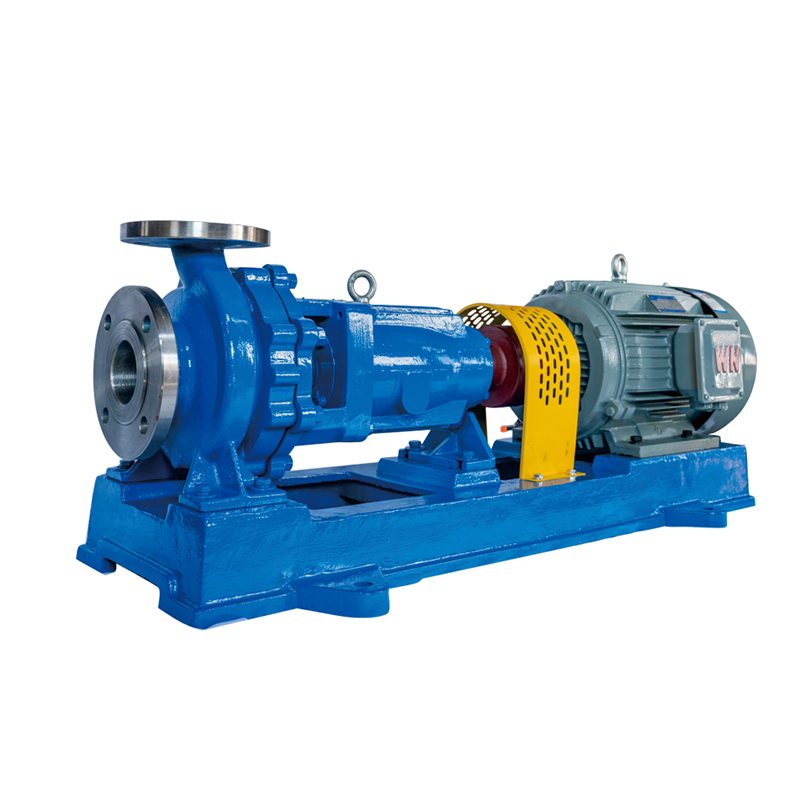
Centrifugal pumps are widely used in industrial and commercial applications for transferring fluids efficiently. These pumps convert rotational energy into kinetic energy, moving liquids through pipelines with minimal mechanical complexity. Their design simplicity, reliability, and adaptability make them a cornerstone in fluid handling systems.
Beyond their performance advantages, centrifugal pumps also play a critical role in reducing maintenance costs. Proper selection, installation, and operation can significantly decrease the frequency of repairs, downtime, and associated operational expenses.
Design Features That Reduce Maintenance Needs
Centrifugal pumps are engineered with features that inherently minimize maintenance requirements. Components such as bearings, seals, and impellers are designed for durability and ease of replacement, which simplifies routine servicing.
Key design elements that contribute to reduced maintenance costs include robust impeller construction, standardized mechanical seals, and easily accessible pump casings. These features allow for quick inspection and replacement without major disassembly.
- Durable impellers resist wear and corrosion
- Standardized seals simplify replacement procedures
- Bearings designed for long operational life
- Modular casing design reduces labor costs during maintenance
Material Selection and Durability
The materials used in centrifugal pump construction directly impact their longevity and maintenance requirements. High-quality metals, corrosion-resistant alloys, and engineered polymers ensure that pumps withstand harsh operating conditions and abrasive fluids.
Choosing the right materials not only extends the life of impellers, shafts, and casings but also prevents premature failure caused by erosion, chemical attack, or mechanical stress, reducing the need for frequent maintenance.
- Stainless steel and bronze impellers resist corrosion
- High-strength bearings handle continuous operation
- Wear-resistant coatings reduce erosion from abrasive fluids
- Durable shaft materials prevent misalignment and vibration issues
Proper Installation Practices
Correct installation is critical to reducing maintenance costs. Misalignment, improper foundation, or incorrect piping can lead to excessive vibration, premature bearing failure, and seal leakage. Following manufacturer guidelines ensures pumps operate efficiently and reliably.
Key installation practices include aligning pump and motor shafts, securing the baseplate, and providing proper suction and discharge piping. These steps prevent mechanical stress and reduce repair frequency.
- Ensure precise alignment of pump and motor shafts
- Use vibration-dampening bases to reduce mechanical stress
- Maintain appropriate suction and discharge piping diameters
- Follow manufacturer torque specifications for bolts and fasteners
Preventive Maintenance Strategies
Preventive maintenance is a proactive approach to reducing costs and avoiding unscheduled downtime. Routine inspections, lubrication schedules, and performance monitoring help identify potential issues before they escalate.
Tasks such as checking for vibration, monitoring bearing temperatures, inspecting mechanical seals, and cleaning strainers contribute to consistent pump performance and longevity.
- Regular lubrication of bearings and moving parts
- Monitoring vibration and noise for early fault detection
- Inspecting and replacing worn seals promptly
- Cleaning strainers and filters to prevent cavitation
Energy Efficiency and Operational Savings
Efficient centrifugal pumps consume less energy, indirectly reducing maintenance costs. Pumps operating at optimal efficiency experience lower mechanical stress, reduced heat generation, and minimal wear on moving components.
Selecting the right pump size, adjusting impeller diameter, and employing variable frequency drives (VFDs) for flow control can further enhance energy efficiency and reduce operational wear.
- Optimized pump sizing prevents overloading
- VFDs reduce energy consumption and mechanical stress
- Proper flow control avoids cavitation and vibration
- Efficient operation prolongs bearing and seal life
Comparison of Maintenance Costs Across Pump Types
The table below compares centrifugal pumps with other common pump types, highlighting their maintenance advantages:
| Pump Type | Average Maintenance Cost | Reliability | Ease of Service |
| Centrifugal Pump | Low to Moderate | High | Easy access to seals and bearings |
| Gear Pump | Moderate | Moderate | Requires partial disassembly |
| Piston Pump | High | High | Complex maintenance procedures |
| Diaphragm Pump | Moderate to High | Moderate | Periodic diaphragm replacement needed |
Conclusion: Lowering Costs through Centrifugal Pump Management
Centrifugal pumps reduce maintenance costs by combining durable design, proper material selection, and ease of servicing. Preventive maintenance, efficient operation, and correct installation further enhance longevity and reliability.
Investing in high-quality centrifugal pumps and following best practices ensures minimal downtime, reduced repair costs, and consistent operational efficiency, making them an ideal choice for industrial fluid management.

 Tel: +86-15256327373
  E-mail:
  Add: Anhui Southern Chemical Pump Co., Ltd. The intersection of Kaicheng Road and Fuxing Road, Jing Country, Xuancheng City, Anhui Province