


 English
 русский
 Español
 عربى
عربى
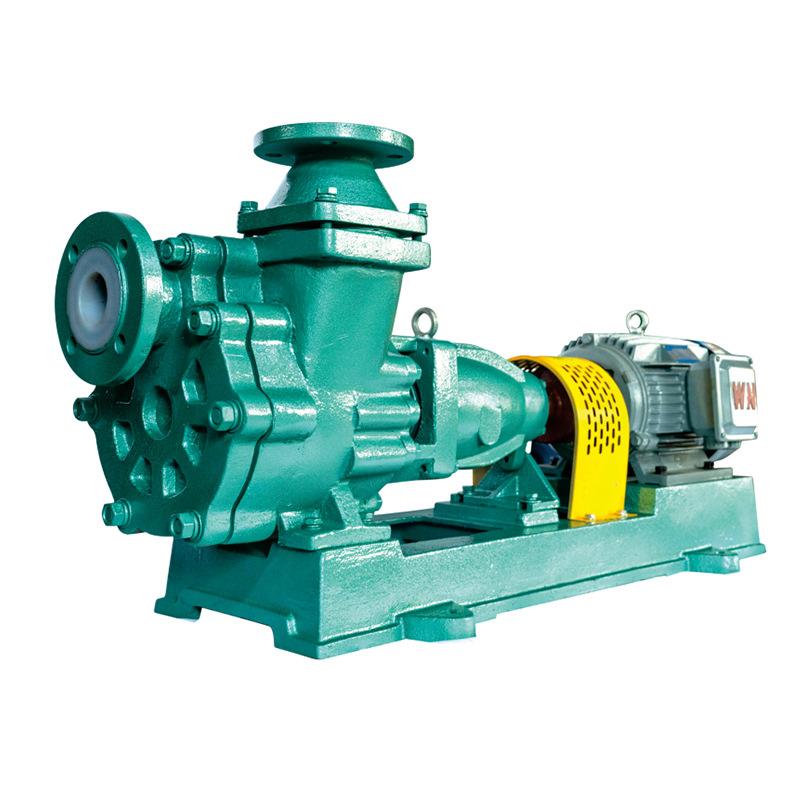
Chemical centrifugal pumps are widely used in industries such as petrochemical, pharmaceutical, water treatment, and food processing, where they handle corrosive, abrasive, or high-temperature fluids. Because these pumps are often exposed to harsh operating conditions, maximizing their lifespan is critical to ensure safety, cost-effectiveness, and operational efficiency. Extending the life of a chemical centrifugal pump requires a combination of proper installation, regular maintenance, and best operational practices. Below are key strategies to achieve longer pump service life.
Content
- 0.1 1. Choose the Right Pump Material for the Application
- 0.2 2. Ensure Proper Installation and Alignment
- 0.3 3. Operate Within Recommended Parameters
- 0.4 4. Implement a Regular Maintenance Program
- 0.5 5. Protect Mechanical Seals and Bearings
- 0.6 6. Monitor Operating Conditions Continuously
- 0.7 7. Keep the System Clean and Free of Contaminants
- 0.8 8. Train Operators and Staff
- 1 Conclusion
1. Choose the Right Pump Material for the Application
One of the most important factors affecting pump longevity is material compatibility. Using the wrong material can lead to rapid wear or corrosion. For example:
- Stainless steel is suitable for mildly corrosive chemicals.
- Hastelloy or titanium may be required for highly aggressive acids.
- Plastic-lined or composite pumps can resist chemical attack in certain applications.
Before installation, always check the chemical compatibility chart to match pump material with the fluid being handled. This prevents premature damage and costly replacements.
2. Ensure Proper Installation and Alignment
Improper installation is one of the leading causes of early pump failure. During installation:
- Make sure the pump and motor shafts are properly aligned to avoid bearing and seal wear.
- Use a stable foundation to minimize vibration.
- Verify that the piping system is correctly designed to prevent undue stress on the pump casing.
Correct installation helps the pump operate smoothly and reduces unnecessary strain on mechanical components.
3. Operate Within Recommended Parameters
Each centrifugal pump has a specific performance curve that defines its best efficiency point (BEP). Operating too far away from this point can cause cavitation, overheating, and excessive vibration. To extend pump life:
- Avoid running the pump at extremely low or high flow rates.
- Monitor suction pressure to prevent cavitation.
- Ensure that the pump is neither starved of liquid nor forced to handle more than it is designed for.
By maintaining operation close to the BEP, you reduce wear on impellers, seals, and bearings.
4. Implement a Regular Maintenance Program
Routine maintenance is essential for long-term pump reliability. A good program includes:
- Lubricating bearings as recommended by the manufacturer.
- Inspecting seals and gaskets for leakage or wear.
- Monitoring vibration and noise levels to detect early signs of imbalance.
- Checking for corrosion or erosion inside the pump casing and impeller.
Scheduling preventive maintenance helps identify small problems before they turn into major failures.
5. Protect Mechanical Seals and Bearings
Mechanical seals are critical in chemical centrifugal pumps, especially when handling corrosive or hazardous liquids. To extend seal life:
- Use a seal flush plan to keep contaminants away.
- Ensure the pump is always primed to avoid dry running.
- Replace worn seals promptly to avoid secondary damage.
Similarly, bearings should be properly lubricated and aligned to reduce friction and heat buildup. Neglecting these components often leads to costly downtime.
6. Monitor Operating Conditions Continuously
Modern plants often use condition monitoring systems to track pump performance. Sensors can measure:
- Pressure and flow rate
- Temperature of bearings and seals
- Vibration levels
By integrating pumps into an IoT-based monitoring system, operators can detect issues in real time and schedule predictive maintenance, extending equipment life and minimizing unexpected shutdowns.
7. Keep the System Clean and Free of Contaminants
Foreign particles, chemical residues, or scaling inside the pump can lead to erosion and blockages. To reduce this risk:
- Install filters or strainers in the suction line.
- Regularly flush the system when handling solids or crystallizing fluids.
- Use proper cleaning protocols during shutdowns.
A clean system reduces wear on impellers and maintains consistent hydraulic performance.
8. Train Operators and Staff
Human error is a common cause of pump damage. Ensuring that operators are trained to:
- Start and stop pumps correctly.
- Recognize warning signs such as unusual noise or leakage.
- Follow standard operating procedures for chemical handling.
Well-trained personnel can prevent accidents and extend equipment lifespan.
Conclusion
Extending the life of a chemical centrifugal pump requires a holistic approach that combines correct material selection, proper installation, efficient operation, and proactive maintenance. By protecting seals and bearings, keeping systems clean, and leveraging modern monitoring technologies, industries can significantly reduce downtime and repair costs. Most importantly, consistent care ensures that pumps perform reliably even under challenging chemical conditions, providing long-term value and safety.

 Tel: +86-15256327373
  E-mail:
  Add: Anhui Southern Chemical Pump Co., Ltd. The intersection of Kaicheng Road and Fuxing Road, Jing Country, Xuancheng City, Anhui Province