


 English
 русский
 Español
 عربى
عربى
Content
- 1 Introduction to Fluoroplastics Chemical Pumps
- 2 Materials Contributing to Corrosion Resistance
- 3 Performance Against Acidic and Alkaline Media
- 4 Temperature and Pressure Effects on Corrosion Resistance
- 5 Comparison of Fluoroplastics vs Metal Pumps
- 6 Maintenance and Longevity
- 7 Applications Benefiting from High Corrosion Resistance
Introduction to Fluoroplastics Chemical Pumps
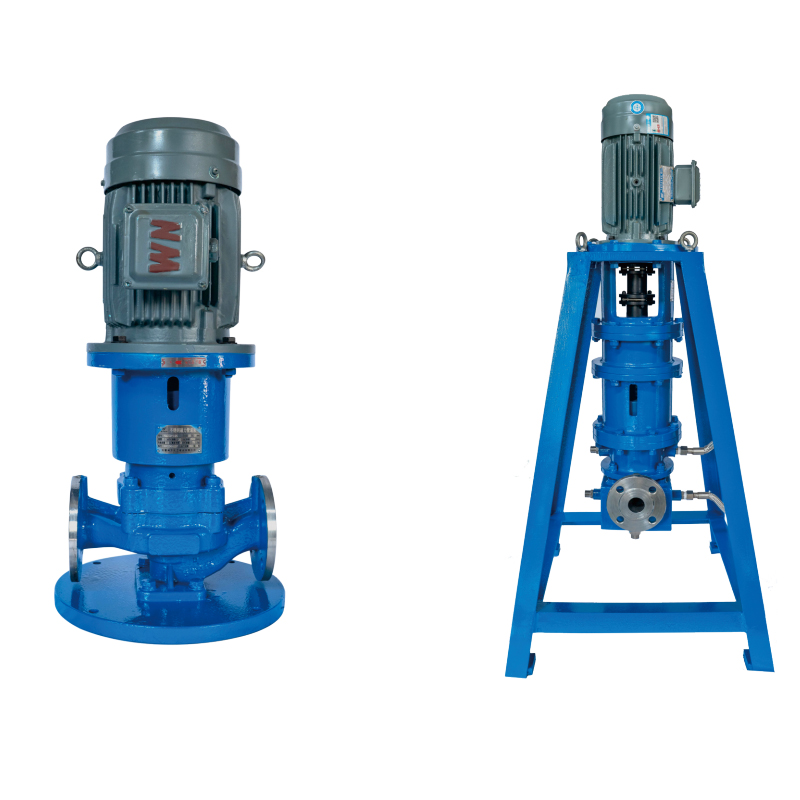
Fluoroplastics chemical pumps are widely recognized for their exceptional resistance to aggressive chemicals. These pumps are constructed using fluoropolymers such as PTFE, PVDF, and FEP, which provide superior chemical inertness compared to conventional metals or plastics. The corrosion resistance of these pumps makes them indispensable in industries handling acids, bases, solvents, and other highly reactive substances.
Understanding the level of corrosion resistance is critical for selecting the right pump for specific chemical processes. Factors such as temperature, chemical concentration, flow rate, and exposure time all influence how well the pump maintains its structural integrity over time.
Materials Contributing to Corrosion Resistance
The key to the corrosion resistance of fluoroplastics chemical pumps lies in the materials used for construction. Polytetrafluoroethylene (PTFE) is highly stable and resistant to almost all chemicals at temperatures below 260°C. Polyvinylidene fluoride (PVDF) combines mechanical strength with chemical resistance, suitable for moderately abrasive chemicals. Fluorinated ethylene propylene (FEP) offers flexibility and resistance to thermal cycling, making it ideal for dynamic pump components.
These materials create a non-reactive barrier between the chemical medium and the pump's mechanical components, preventing corrosion, scaling, or chemical attack that would typically damage metal or conventional plastic pumps.
Performance Against Acidic and Alkaline Media
Fluoroplastics chemical pumps exhibit remarkable stability against both strong acids and alkaline solutions. For example, PTFE-lined pumps can handle concentrated sulfuric acid, hydrochloric acid, nitric acid, and caustic soda without significant degradation. The inherent chemical inertness ensures that the pump’s wetted surfaces remain intact, preventing contamination of the fluid and extending pump life.
Resistance to pH extremes allows these pumps to operate in a wide range of industrial applications, including chemical manufacturing, pharmaceutical production, and electroplating, where conventional materials would fail rapidly.
Advantages in Harsh Chemical Environments
- Prevents corrosion and material degradation in aggressive chemical solutions
- Minimizes contamination of sensitive chemicals and pharmaceuticals
- Extends pump service life and reduces maintenance costs
Temperature and Pressure Effects on Corrosion Resistance
While fluoroplastics offer outstanding chemical resistance, extreme temperature and pressure conditions can influence performance. PTFE and FEP maintain chemical stability up to 260°C, but prolonged exposure to high temperatures may soften the material. PVDF is mechanically stronger and can handle higher pressure environments but has slightly lower maximum temperature limits.
Designing pumps within recommended temperature and pressure ranges ensures optimal corrosion resistance. Engineers must consider operating conditions, including thermal cycles and sudden pressure changes, to prevent mechanical stress that could compromise the chemical barrier.
Comparison of Fluoroplastics vs Metal Pumps
| Pump Material | Chemical Resistance | Temperature Limit | Maintenance |
| Fluoroplastics | Excellent | Up to 260°C | Low |
| Stainless Steel | Moderate | Up to 500°C | Moderate |
| Carbon Steel | Poor | Up to 200°C | High |
Maintenance and Longevity
Fluoroplastics chemical pumps require minimal maintenance due to their corrosion-resistant nature. Regular inspection of seals, gaskets, and mechanical components ensures long-term performance. Cleaning protocols must consider chemical compatibility, and routine checks help prevent abrasion or wear that could reduce pump efficiency.
With proper operation, fluoroplastics pumps can last significantly longer than metal alternatives in aggressive chemical environments. Their resistance to scaling, corrosion, and chemical attack reduces downtime and replacement costs, making them highly cost-effective in industrial applications.
Applications Benefiting from High Corrosion Resistance
Industries such as chemical manufacturing, pharmaceuticals, water treatment, and electroplating greatly benefit from the corrosion resistance of fluoroplastics pumps. These pumps can safely handle strong acids, alkalis, oxidizing agents, and solvents, ensuring smooth production processes and preventing contamination of sensitive chemical solutions.
High corrosion resistance also allows pumps to operate in extreme environmental conditions, including high humidity, saline atmospheres, and aggressive chemical storage tanks. This makes fluoroplastics pumps indispensable for modern industrial operations requiring reliability and safety.

 Tel: +86-15256327373
  E-mail:
  Add: Anhui Southern Chemical Pump Co., Ltd. The intersection of Kaicheng Road and Fuxing Road, Jing Country, Xuancheng City, Anhui Province