


 English
 русский
 Español
 عربى
عربى
What Is an Impeller Pump and How Does It Work
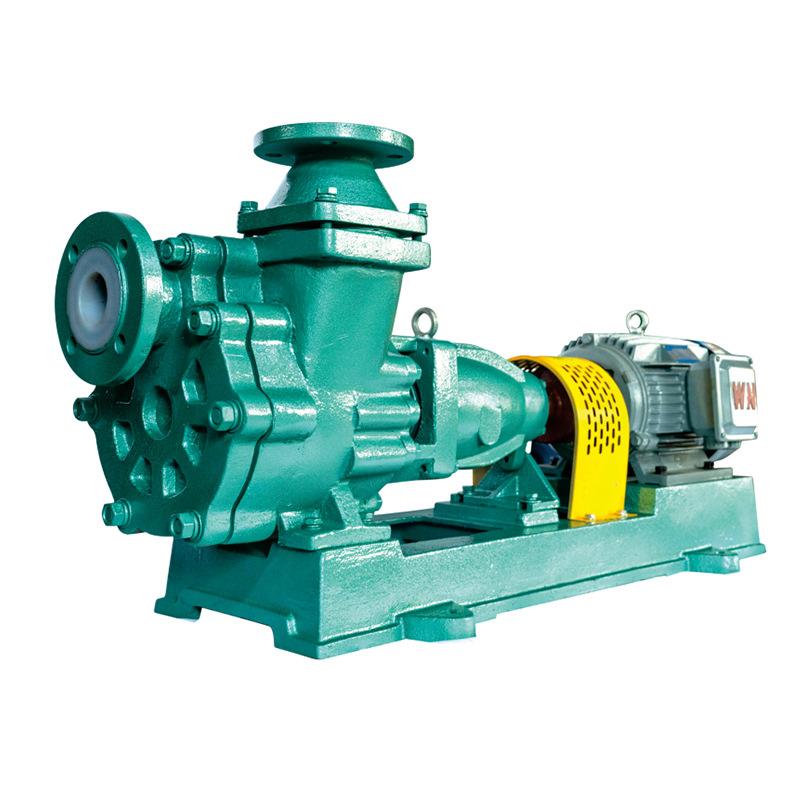
An impeller pump—most commonly a centrifugal pump—moves fluid by converting rotational energy from a motor into kinetic energy in the liquid. At the heart of the system sits the impeller: a rotating disc fitted with curved vanes. As it spins, it creates a low-pressure zone at its eye that draws fluid inward, then accelerates that fluid outward through the volute casing, building pressure that forces liquid through the discharge outlet.
This elegant mechanism delivers high flow rates with relatively few moving parts. But those moving parts—the impeller, shaft, bearings, and seals—are subject to constant wear. Without structured maintenance, even a robust pump will lose efficiency, develop leaks, or fail entirely. A proactive pump maintenance program is the single most cost-effective step an operator can take to protect equipment uptime and reduce total ownership costs.
Content
Common Impeller Pump Problems and Root Causes
Understanding why impeller pumps fail is the foundation of any maintenance strategy. The four most frequent damage mechanisms are:
- Cavitation. When inlet pressure drops below the fluid's vapor pressure, bubbles form and then violently collapse against the impeller surface. The resulting shock waves pit and fracture the vanes, increase vibration, and progressively reduce pumping efficiency. Cavitation is audible as a crackling or grinding sound emanating from the impeller housing.
- Erosion. Particulate-laden fluids gradually abrade the impeller surface, leaving grooves and roughness that disrupt flow and reduce head pressure. Once erosion exceeds roughly 3 mm (⅛ inch) in depth on any vane, impeller replacement is necessary.
- Fouling and clogging. Debris, sediment, and biological growth accumulate on and between vanes, restricting flow. A clogged impeller forces the motor to draw higher current, accelerating overheating and bearing wear.
- Seal and bearing failure. Mechanical seals deteriorate through friction, heat, chemical attack, and misalignment. Bearing failure follows insufficient lubrication or contamination. Both failure modes are closely linked—learn more about how to prevent pump seal failure before it causes unplanned downtime.
Most failures are not random: they are the cumulative result of deferred inspections, improper lubrication, or operating a pump outside its design envelope. Identifying the root cause—rather than just replacing parts—prevents recurrence.
Essential Impeller Pump Maintenance Checklist
A structured maintenance schedule should combine daily operator checks with periodic workshop inspections. Use the table below as a baseline; adjust intervals to reflect actual operating severity.
| Interval | Task | Action if Issue Found |
|---|---|---|
| Daily | Check for unusual noise, vibration, or heat | Investigate immediately; do not defer |
| Daily | Inspect all visible connections for leaks | Tighten fittings; replace failing seals |
| Monthly | Verify bearing lubrication level | Top up with manufacturer-specified oil or grease |
| Monthly | Record head pressure, flow rate, and motor amp draw | Compare against baseline; investigate deviations >5% |
| Quarterly | Inspect impeller vanes for erosion, corrosion, or debris | Clean or replace if wear exceeds ⅛ inch |
| Quarterly | Check shaft runout (max TIR: 0.002 inches) | Replace shaft or sleeve if out of tolerance |
| Annually | Full disassembly and component inspection | Replace worn bearings, seals, gaskets as needed |
| Annually | Inspect pump casing for pitting or corrosion | Replace casing if wear exceeds ⅛ inch depth |
If your pump is showing symptoms—low flow, abnormal noise, or tripped breakers—work through our complete pump troubleshooting guide before proceeding to disassembly. Many faults have simple corrective actions that do not require taking the unit offline.
How to Inspect and Replace a Pump Impeller
Impeller inspection should follow every quarterly service interval or whenever pump performance drops noticeably. The procedure below applies to most horizontal end-suction centrifugal pumps; always consult the manufacturer's service manual for model-specific torque specifications and clearances.
- Isolate and de-energize the pump. Shut off power at the circuit breaker and lock out / tag out the switch. Close the suction and discharge isolation valves and drain the volute casing.
- Remove the suction-side casing. Unbolt the casing and use a mechanical lifting aid or assembly arm where the unit's weight requires it. Set aside all gaskets and note their orientation.
- Expose and examine the impeller. Inspect all vanes for cavitation pitting (small craters or honeycomb-like holes), erosion grooves deeper than ⅛ inch, cracks, or deformation. Rotate the impeller by hand—resistance or grinding indicates bearing or shaft issues.
- Replace if required. Thread the new impeller onto the shaft, verifying the manufacturer's specified clearance between the impeller and the suction-side casing (typically ⅛ inch). Over-tightening or insufficient clearance both reduce efficiency and accelerate wear.
- Reassemble and test. Refit the suction-side casing, torque all bolts to specification, and replace the shaft guard. Reconnect suction and discharge hoses, reinsert the drain plug, and restore power. Confirm flow, pressure, and absence of leaks before returning the pump to service.
Never start the pump dry. Even a few seconds of dry running can destroy impeller vanes and melt flexible-material tips, turning a straightforward maintenance task into a full rebuild.
Preventive Maintenance Best Practices
Reactive repairs are always more expensive than prevention. The following practices reliably extend impeller pump service life and protect reliability:
- Maintain correct lubrication. For oil-lubricated bearings, use a non-foaming, non-detergent oil filled to the midpoint of the sight glass. For grease-lubricated bearings, avoid mixing grease types and never over-grease—excess lubricant creates heat and can pack solids against the bearing race. Always follow the manufacturer's recommended specification.
- Control cavitation conditions. Ensure suction pressure remains above the pump's required Net Positive Suction Head (NPSH). Keep suction lines clean and unobstructed, and avoid operating at flow rates far below or above the best efficiency point (BEP). Maintaining adequate suction conditions is the single most effective cavitation prevention measure.
- Prevent deadhead operation. Running a pump with the discharge valve fully closed traps energy in the fluid, rapidly raising temperature and pressure to levels that deform impellers and rupture seals. Install a minimum-flow bypass line or a pressure-relief valve, and train operators to recognize the risks of deadheading.
- Monitor vibration continuously. Excessive vibration is an early warning of misalignment, imbalance, cavitation, or bearing deterioration—often before any visible damage occurs. Establish a baseline vibration profile during commissioning and trigger inspection whenever readings deviate significantly.
- Keep accurate performance records. Log head pressure, flow rate, motor current, and bearing temperature at each service interval. Gradual degradation is easy to miss without a reference baseline; trend data reveals problems weeks before a pump fails.
- Use quality replacement parts. Low-cost impellers and seals manufactured to loose tolerances accelerate wear on adjacent components and shorten the interval between failures. Matching materials to the process fluid—considering temperature, pH, and abrasive content—is equally important.
Keep Your Impeller Pump Running at Peak Performance
Impeller pump maintenance is not a single event—it is an ongoing commitment to inspection, lubrication, monitoring, and timely part replacement. The pumps that deliver decades of reliable service are those operated within their design parameters, serviced on schedule, and supported by quality components.
South Pumps specializes in corrosion-resistant centrifugal and magnetic drive pumps engineered for demanding industrial environments. Our team supports customers with pump selection, technical documentation, and after-sales service across more than 200 countries. Whether you need a replacement impeller, a maintenance consultation, or a complete pump solution for chemical transfer, water treatment, or process applications, contact South Pumps to speak with a specialist.

 Tel: +86-15256327373
  E-mail:
  Add: Anhui Southern Chemical Pump Co., Ltd. The intersection of Kaicheng Road and Fuxing Road, Jing Country, Xuancheng City, Anhui Province