


 English
 русский
 Español
 عربى
عربى
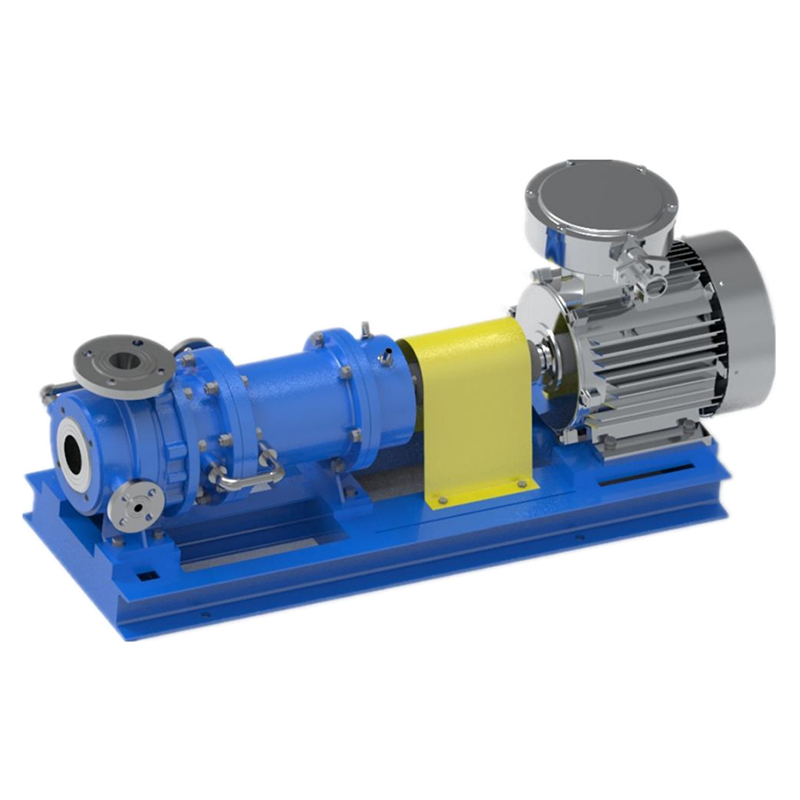
Magnetic drive pumps, also known as mag-drive pumps, have become increasingly popular in chemical, pharmaceutical, and industrial applications due to their seal-less design, corrosion resistance, and leak-free operation. Unlike traditional pumps with mechanical seals, magnetic drive pumps use a magnetic coupling to transmit torque from the motor to the impeller, eliminating the need for a direct shaft seal. While their reliability and efficiency are widely recognized, a common question among engineers and plant managers is: are magnetic drive pumps noisy? Understanding this requires examining their design, operational factors, and comparisons with other pump types.
1. Design Features and Noise Reduction
One of the key advantages of magnetic drive pumps is their seal-less design. Mechanical seals in conventional pumps are often a major source of noise because they can vibrate, wear, or leak under pressure. By eliminating these seals, mag-drive pumps reduce one significant noise contributor. The magnetic coupling itself transmits torque without physical contact between the driving and driven elements, which inherently reduces vibration and operational noise.
Furthermore, many magnetic drive pumps are constructed with precision-engineered housings and balanced impellers. High-quality pumps often incorporate features such as anti-vibration mounts, optimized bearing supports, and smooth flow channels, all of which contribute to quieter operation. In many industrial settings, this makes mag-drive pumps preferable over conventional pumps, particularly where noise reduction is critical.
2. Operational Factors Affecting Noise
While the design of magnetic drive pumps promotes quieter operation, actual noise levels can vary depending on several operational factors:
- Flow Rate and Pressure: Operating a pump near its maximum flow or pressure capacity can increase turbulence and vibration, leading to more noise. Maintaining the pump within its recommended operating range helps minimize noise.
- Liquid Properties: Viscous, aerated, or cavitating liquids can generate additional noise. Cavitation, in particular, produces distinct popping or rattling sounds that can be mistaken for pump defects.
- Mounting and Installation: Improper installation or rigid mounting on hard surfaces can amplify vibration and sound. Using anti-vibration pads or flexible couplings can significantly reduce noise transmission.
- Motor Type: The type and speed of the driving motor also affect overall noise. High-speed motors can produce more audible sound compared to lower-speed, variable-frequency drives optimized for quiet operation.
3. Comparison with Conventional Pumps
Compared to mechanical seal pumps or centrifugal pumps with shaft seals, magnetic drive pumps are generally quieter. Mechanical seals often generate friction and heat, producing both audible and high-frequency noise. Seal failures or misalignment can exacerbate vibration, leading to louder operation. In contrast, mag-drive pumps operate with minimal friction between moving parts and typically exhibit smoother, quieter performance.
However, it is important to note that magnetic drive pumps are not completely silent. The magnetic coupling, impeller rotation, and fluid movement all produce some level of sound. In industrial terms, typical noise levels range from 60 to 75 decibels under normal operating conditions, comparable to a conversation or office environment. High-quality pumps with optimized design and proper installation can further reduce this level.
4. Maintenance and Noise Control
Regular maintenance plays a significant role in maintaining quiet operation. Even though magnetic drive pumps are seal-less and low-maintenance, factors such as bearing wear, impeller imbalance, or misalignment can gradually increase noise over time. Inspecting bearings, ensuring proper lubrication if applicable, and checking for cavitation conditions help keep noise levels low.
Additionally, controlling vibration through proper anchoring, alignment, and flexible connections can prevent amplification of sound through floors, walls, or piping systems. Many modern pump installations also incorporate acoustic enclosures or sound-dampening barriers for applications where ultra-quiet operation is required.
5. Advantages of Quiet Operation
The relatively low noise of magnetic drive pumps offers practical benefits beyond comfort. In chemical or pharmaceutical facilities, quieter pumps reduce occupational noise exposure, improving worker safety and compliance with industrial regulations. Reduced vibration and noise also minimize stress on connected piping systems and ancillary equipment, extending the lifespan of the entire installation.
Conclusion
In conclusion, magnetic drive pumps are generally quieter than conventional mechanical-seal pumps due to their seal-less design, magnetic coupling, and precise engineering. While they are not completely silent, proper installation, operation within recommended parameters, and routine maintenance can keep noise levels low and consistent. Factors such as flow rate, liquid properties, and motor type can influence sound, but overall, mag-drive pumps provide a more peaceful and reliable pumping solution in industrial, chemical, and laboratory settings.
For applications where noise reduction is a priority—such as cleanrooms, laboratories, or office-adjacent industrial facilities—magnetic drive pumps offer an effective combination of performance, reliability, and quiet operation, making them a preferred choice over traditional pump designs.

 Tel: +86-15256327373
  E-mail:
  Add: Anhui Southern Chemical Pump Co., Ltd. The intersection of Kaicheng Road and Fuxing Road, Jing Country, Xuancheng City, Anhui Province