


 English
 русский
 Español
 عربى
عربى
Content
Introduction to Magnetic Drive Pumps
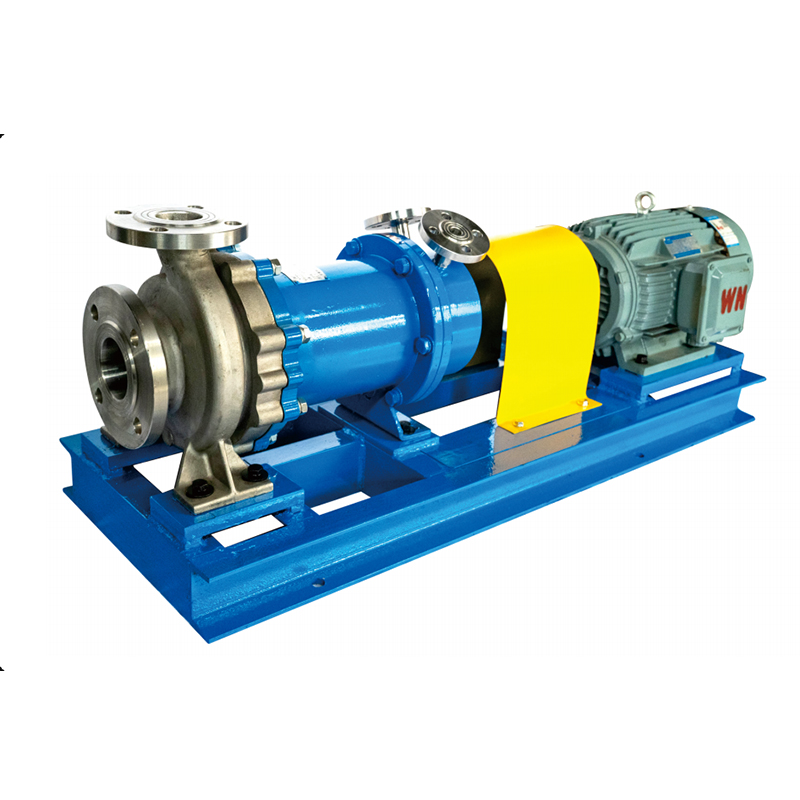
Magnetic drive pumps, also known as mag-drive pumps, are specialized centrifugal pumps that utilize magnetic coupling instead of traditional mechanical seals. This design eliminates direct shaft penetration, reducing leakage risks and maintenance requirements. Widely used in chemical, pharmaceutical, and industrial applications, magnetic drive pumps offer both operational advantages and inherent limitations. Understanding these pros and cons is crucial for selecting the right pump for specific processes.
Advantages of Magnetic Drive Pumps
Magnetic drive pumps are designed to enhance efficiency, reliability, and safety in fluid handling. Below are the primary advantages that make them suitable for various industries:
Leak-Free Operation
The most significant advantage of magnetic drive pumps is their leak-free operation. Without a direct shaft seal, hazardous or toxic fluids are fully contained within the pump casing. This feature reduces environmental contamination risks and improves workplace safety, making them ideal for handling aggressive chemicals and volatile liquids.
Low Maintenance Requirements
Since mechanical seals are eliminated, magnetic drive pumps require less routine maintenance. There is no need to replace or lubricate seals frequently, which reduces downtime and maintenance costs. Additionally, fewer moving parts contribute to longer service life and more consistent performance.
Enhanced Safety for Hazardous Fluids
Magnetic drive pumps are particularly advantageous for corrosive, toxic, or flammable liquids. Containment within the pump casing prevents leaks that could lead to chemical burns, explosions, or environmental hazards. This makes them compliant with strict industrial safety regulations and suitable for chemical processing applications.
Operational Flexibility
Magnetic drive pumps can handle a variety of fluids, including corrosive acids, solvents, and high-purity chemicals. They are capable of operating at varying flow rates and pressures, offering versatility across multiple industrial processes. Some designs can also manage slight vapor content without cavitation, improving adaptability to different applications.
Energy Efficiency and Reliability
Modern magnetic drive pumps often exhibit high hydraulic efficiency, especially when properly sized for the application. The absence of seal friction reduces energy loss, leading to more efficient operation. Additionally, the reduced wear on internal components enhances overall reliability and consistent performance over time.
Limitations of Magnetic Drive Pumps
Despite their advantages, magnetic drive pumps have certain limitations that must be considered before selection. Understanding these drawbacks ensures proper application and avoids operational issues.
Limited Pressure and Flow Range
Magnetic drive pumps typically have limitations in maximum pressure and flow rate due to magnetic coupling strength. Exceeding these limits can cause slippage between the driver and driven magnets, reducing pump efficiency and potentially leading to overheating or damage.
Temperature Constraints
The magnets used in these pumps can be sensitive to high temperatures. Standard neodymium magnets, for example, lose magnetic strength at elevated temperatures. Specialized high-temperature magnets are available but increase cost and may still limit operation at extreme temperatures above 150–200°C in standard designs.
Viscous and Abrasive Fluids
Magnetic drive pumps may struggle with highly viscous or abrasive fluids. Thick fluids increase hydraulic load and may reduce the efficiency of magnetic coupling. Abrasive particles can accelerate wear on impellers and casings, affecting long-term performance and requiring careful material selection.
Initial Cost Considerations
Compared to traditional mechanically sealed pumps, magnetic drive pumps generally have a higher upfront cost due to specialized materials, high-strength magnets, and precision engineering. While reduced maintenance costs may offset this over time, initial investment remains a key consideration for budget-conscious projects.
Comparison Table of Advantages and Limitations
| Feature | Advantages | Limitations |
| Leak Prevention | No shaft seal, fully contained fluid | Not ideal for very high pressures |
| Maintenance | Low routine maintenance required | Repair requires specialized expertise |
| Safety | Suitable for hazardous fluids | Temperature-sensitive magnets may limit use |
| Operational Range | Flexible for many liquid types | Limited for high viscosity or abrasive fluids |
| Cost | Lower lifecycle costs due to minimal maintenance | Higher initial investment |
Conclusion
Magnetic drive pumps offer significant benefits including leak-free operation, low maintenance, safety with hazardous fluids, and operational flexibility. However, they also present limitations such as pressure and temperature constraints, challenges with viscous or abrasive fluids, and higher initial costs. Selecting the appropriate pump requires careful consideration of process requirements, fluid characteristics, and budget. By balancing advantages and limitations, industries can leverage magnetic drive pumps for reliable, efficient, and safe fluid handling in diverse applications.

 Tel: +86-15256327373
  E-mail:
  Add: Anhui Southern Chemical Pump Co., Ltd. The intersection of Kaicheng Road and Fuxing Road, Jing Country, Xuancheng City, Anhui Province