


 English
 русский
 Español
 عربى
عربى
1. Introduction to Magnetic Drive Pumps
Magnetic drive pumps are specialized mechanical devices that use magnetic fields to transfer torque and drive the impeller, allowing the movement of fluids without direct physical contact between the motor and the pump. This design eliminates the need for traditional shaft seals, which are a common source of leaks in conventional pumps. As a result, magnetic drive pumps offer unique advantages, especially when handling hazardous, corrosive, or sensitive liquids.
1.1. Brief Explanation of What Magnetic Drive Pumps Are
Magnetic drive pumps are centrifugal pumps that rely on the principle of magnetic coupling. They consist of two key magnetic components: an inner rotor connected to the pump impeller and an outer rotor that is driven by the motor. These two rotors are coupled through a containment shell, ensuring that the impeller rotates without any physical contact between the drive shaft and the pump casing. The rotation of the outer rotor, powered by the motor, creates a magnetic field that transfers torque to the inner rotor, which drives the impeller to pump fluid.
The key characteristic of magnetic drive pumps is their ability to operate without seals that could wear out or leak. The containment shell acts as a barrier between the pumped liquid and the motor, making it ideal for applications where leakage would be dangerous or unacceptable.
1.2. Advantages of Using Magnetic Drive Pumps Over Conventional Pumps
Magnetic drive pumps offer several distinct advantages over traditional pumps that use mechanical seals:
Leak-free operation: Since there are no mechanical seals, the risk of fluid leakage is eliminated, making them ideal for handling hazardous, toxic, or expensive fluids.
Reduced maintenance costs: Without seals to wear out or fail, magnetic drive pumps generally require less maintenance and have a longer lifespan.
Safe handling of hazardous fluids: Magnetic drive pumps are particularly useful in industries where fluid leakage could pose a risk to safety or the environment, such as in chemical processing and pharmaceutical applications.
Energy efficiency: These pumps are often more energy-efficient than conventional pumps because the magnetic coupling reduces the mechanical losses typically associated with shaft seals.
1.3. Applications of Magnetic Drive Pumps in Various Industries
Magnetic drive pumps are versatile and can be found in a wide range of industries, primarily where the safe, efficient handling of fluids is essential. Key applications include:
Chemical Processing: Handling highly corrosive fluids such as acids, solvents, and reactive chemicals without the risk of leaks.
Pharmaceuticals: Pumping high-purity liquids while maintaining hygiene and preventing contamination.
Semiconductor Manufacturing: Transporting highly sensitive chemicals used in wafer fabrication, where even the smallest contamination can ruin production.
Wastewater Treatment: Dosing chemicals for water treatment and transferring wastewater without the risk of leakage.
Food and Beverage: Ensuring sanitary transfer of ingredients and finished products, while maintaining product integrity and preventing contamination.
2. Working Principle of Magnetic Drive Pumps
Magnetic drive pumps rely on the principle of magnetic coupling to transfer energy from the motor to the pump’s impeller. This allows the pump to operate without physical contact between the drive motor and the fluid being pumped, eliminating the need for mechanical seals. Let’s break down the key elements and mechanics behind how these pumps work.
2.1. Detailed Explanation of the Magnetic Coupling Mechanism
The core functionality of a magnetic drive pump lies in the magnetic coupling between two rotors. The outer rotor, connected to the motor, creates a rotating magnetic field. This rotating magnetic field induces motion in the inner rotor, which is connected to the impeller, causing it to rotate and pump the fluid. The key aspect of this design is that the motor's power is transmitted through the containment shell using magnetic fields, without any direct contact between the inner and outer components.
There are no physical connections (such as shafts) between the motor and the pump impeller, and this lack of contact eliminates the risk of leaks typically associated with shaft seals in conventional pumps. The magnetic coupling is maintained through the containment shell, which keeps the motor and the pump components isolated from the pumped liquid.
2.2. Components of a Magnetic Drive Pump
Magnetic drive pumps consist of several essential components that work together to create a sealed, efficient, and leak-free system:
Inner Rotor:
The inner rotor is attached to the impeller and rotates with it to create the necessary fluid movement. The inner rotor is typically made from a ferrous material so that it can interact with the magnetic field generated by the outer rotor.
Outer Rotor:
The outer rotor is connected to the motor shaft and is responsible for generating the magnetic field. As the motor turns the outer rotor, it creates a rotating magnetic field that induces motion in the inner rotor. The outer rotor’s design ensures a smooth transfer of torque through the magnetic coupling.
Magnets:
The magnets in the inner and outer rotors are often permanent magnets, which create the magnetic field responsible for transferring torque. The strength of these magnets plays a crucial role in the efficiency of the coupling and the overall performance of the pump. Stronger magnets allow for better torque transfer, which is critical for moving fluids against resistance.
Containment Shell:
The containment shell, usually made of stainless steel or a similar non-corrosive material, encases the pump components and serves as the barrier between the pumped fluid and the motor. This shell prevents the liquid from leaking into the motor and ensures that any potential contamination is kept away from the pump's electrical components. The containment shell plays a crucial role in isolating the motor from the fluid, thus preventing leaks, contamination, and corrosion.
2.3. How the Magnetic Field Transfers Torque to the Impeller
The torque transfer mechanism begins with the motor powering the outer rotor, which generates a rotating magnetic field. This magnetic field passes through the containment shell and interacts with the inner rotor. The inner rotor, being magnetically coupled to the outer rotor, begins to rotate without physical contact, driving the impeller and creating fluid movement.
As the outer rotor rotates, the magnetic field it generates induces a corresponding magnetic field in the inner rotor. This induced magnetic field in the inner rotor causes it to turn at the same speed as the outer rotor, allowing the impeller (which is attached to the inner rotor) to rotate and transfer energy to the fluid. Since there is no direct mechanical connection between the rotors, there is no risk of leakage from the pump.
This non-contact coupling system is a key advantage of magnetic drive pumps, as it allows the pump to operate in a closed, sealed environment, making it ideal for handling toxic, corrosive, or high-purity fluids.
3. Types of Magnetic Drive Pumps
Magnetic drive pumps come in various types, each designed for specific applications depending on the fluid being pumped, system requirements, and operational conditions. The different pump types vary in their construction, performance characteristics, and the way they move fluids. Let's look at the most common types of magnetic drive pumps.
3.1. Centrifugal Magnetic Drive Pumps
Centrifugal magnetic drive pumps are the most common type and operate based on the centrifugal force principle. In these pumps, the impeller rotates within a volute casing, creating a flow of liquid that is pushed outward by the centrifugal force.
Features:
Ideal for high-flow, low- to medium-pressure applications.
Can be used with a wide variety of fluids, including chemicals, solvents, and water-like liquids.
Simple, reliable design that requires minimal maintenance.
Applications:
Chemical processing (acid transfer, solvent handling).
Water treatment and filtration.
Food and beverage processing where large volumes need to be moved with low pressure.
3.2. Regenerative Turbine Magnetic Drive Pumps
Regenerative turbine magnetic drive pumps use a different pumping mechanism compared to centrifugal pumps. They use an impeller with blades that continually "regenerate" the pressure of the fluid through repeated stages of flow and energy transfer.
Features:
High-pressure capabilities for applications where centrifugal pumps are insufficient.
Efficient for pumping viscous fluids.
Smaller flow rates compared to centrifugal pumps but can achieve much higher pressures.
Applications:
Applications requiring high-pressure liquid delivery (e.g., high-pressure chemical dosing).
Handling viscous fluids like oils, syrups, or polymers.
Small-scale applications where space and pressure requirements are critical.
3.3. Gear Magnetic Drive Pumps
Gear magnetic drive pumps use two meshing gears to transfer fluid. These pumps are typically used for high-viscosity liquids, as the gears create a positive displacement that allows the pump to move thicker liquids more effectively.
Features:
Positive displacement design ensures a consistent flow regardless of system pressure.
Effective for pumping high-viscosity fluids (e.g., oils, paints, and molasses).
Compact design compared to other types of pumps.
Applications:
Lubrication systems where precise, consistent fluid flow is required.
Oil transfer and handling of thick fluids in industrial environments.
Chemical manufacturing processes involving viscous or thick materials.
3.4. Positive Displacement Magnetic Drive Pumps
Positive displacement magnetic drive pumps deliver a fixed amount of fluid per cycle, regardless of changes in pressure. This type of pump is ideal for handling fluids at higher viscosities or when a precise and constant flow rate is required.
Features:
The flow rate is constant and can be adjusted by changing pump speed or stroke rate.
Suited for high-viscosity liquids and highly accurate dosing applications.
Capable of achieving high suction lifts and consistent flow under varying pressures.
Applications:
Metering or dosing chemicals in pharmaceuticals and food industries.
High-accuracy applications in chemical manufacturing or in any process that requires precise fluid transfer.
Handling fluids with a wide range of viscosities, including oils and pastes.
3.5. Submersible Magnetic Drive Pumps
Submersible magnetic drive pumps are designed to be completely submerged in the fluid they are pumping. These pumps are ideal for applications where the pump needs to be located inside a tank or submerged in liquid for operation.
Features:
Can operate in submerged conditions, making them ideal for tank or sump applications.
Typically used for low to medium head applications.
Provide leak-free, corrosion-resistant pumping even in submerged environments.
Applications:
Wastewater treatment for handling sewage or other waste liquids.
Chemical tank pumping, especially when maintaining a leak-free environment is crucial.
Submersible systems in industrial settings where the pump needs to be located in or under the liquid.
3.6. Discussion of the Specific Applications and Features of Each Type
Each type of magnetic drive pump has its advantages depending on the specific fluid being handled, pressure requirements, and space limitations.
Centrifugal magnetic drive pumps are widely used in industries with large-volume, low-pressure needs. Their versatility makes them popular for water and chemical processing, as well as large-scale systems.
Regenerative turbine pumps stand out in high-pressure applications. They’re ideal when a higher pressure output is needed, such as in chemical dosing or handling high-viscosity fluids.
Gear magnetic drive pumps are the go-to for high-viscosity fluids. Whether in the oil and gas industry or industrial coating processes, they’re unmatched in delivering thick, viscous liquids with precision.
Positive displacement magnetic drive pumps provide precise, repeatable fluid flow, making them indispensable for critical metering and dosing operations.
Submersible magnetic drive pumps are tailored for confined spaces, handling submerged fluids with ease while maintaining leak-free operation in harsh environments.
4. Advantages and Disadvantages of Magnetic Drive Pumps
Magnetic drive pumps offer a range of benefits, but like all systems, they also come with some limitations. Understanding both the advantages and disadvantages is essential for selecting the right pump for a particular application. In this section, we’ll explore both sides of magnetic drive pumps in detail.
4.1. Advantages of Magnetic Drive Pumps
Leak-free Operation
One of the standout features of magnetic drive pumps is their ability to operate without mechanical seals. Since there is no direct physical contact between the motor and the pump components, the risk of fluid leakage is eliminated. This makes them ideal for handling hazardous, toxic, or expensive fluids where leakage could lead to contamination, environmental damage, or safety hazards.
Application Example: In the chemical industry, magnetic drive pumps are used to transfer highly corrosive chemicals such as acids, solvents, and other aggressive fluids, ensuring zero leakage and preventing exposure to harmful substances.
Reduced Maintenance Costs
The absence of mechanical seals and packing materials means there are fewer parts subject to wear and tear. This reduces the frequency of maintenance and downtime, ultimately lowering long-term operating costs. In conventional pumps, seals must be replaced periodically, which can be costly and time-consuming.
Application Example: Pharmaceutical and food industries benefit from the reduced maintenance needs of magnetic drive pumps, helping to ensure uptime and consistent production without the risk of seal failures.
Safe Handling of Hazardous Fluids
Since magnetic drive pumps eliminate the need for mechanical seals, they prevent the leakage of hazardous or toxic fluids into the surrounding environment. This is especially important in industries where chemical, pharmaceutical, or other dangerous substances are handled, and strict safety regulations must be followed.
Application Example: In hazardous waste management or hazardous chemical processing, magnetic drive pumps ensure that fluids are safely contained without risk of contamination or leakage into the environment.
Energy Efficiency
Magnetic drive pumps are generally more energy-efficient compared to conventional pumps, particularly in applications where sealing friction would otherwise result in energy losses. The absence of a mechanical seal reduces friction and allows the motor to operate with less resistance, leading to lower energy consumption.
Application Example: In large-scale chemical plants or industrial systems where energy efficiency is a priority, magnetic drive pumps can help reduce operational costs and contribute to greener processes.
Contamination-Free Operation
These pumps are designed to prevent contamination of the fluid by ensuring that the motor and the pump's internal components are completely sealed off from the fluid being pumped. This feature is especially important when handling high-purity fluids in industries such as pharmaceuticals and semiconductor manufacturing.
Application Example: In semiconductor wafer processing, where even the smallest amount of contamination can ruin a batch, magnetic drive pumps provide a clean and reliable solution.
4.2. Disadvantages of Magnetic Drive Pumps
Higher Initial Cost
One of the main drawbacks of magnetic drive pumps is their higher upfront cost. These pumps tend to be more expensive than traditional pumps due to the materials and technology used in their construction, particularly the high-strength magnets and containment shells. However, this higher initial cost can be offset over time by reduced maintenance and operational costs.
Application Example: While the initial cost of a magnetic drive pump may be higher, it could be more economical in the long run in industries where leak prevention, maintenance, and downtime are major concerns.
Temperature Limitations
Magnetic drive pumps are typically limited by the strength of the magnets used in their construction, which can be affected by high temperatures. At higher temperatures, the magnets may lose their magnetic properties, leading to a decrease in the pump’s efficiency or even failure. These pumps are generally limited to moderate temperature ranges, typically between -20°C and 180°C (depending on the pump’s design and materials).
Application Example: In applications where the fluid temperature exceeds the maximum limit for magnetic drive pumps, such as in high-temperature chemical reactors, other pump types, such as mechanical seal pumps, may be required.
Potential for Demagnetization
If a magnetic drive pump is exposed to conditions such as extreme heat, strong external magnetic fields, or physical impact, there is a risk that the magnets can become demagnetized. This can impair the performance of the pump or render it inoperable. While rare, this is a potential issue, especially in harsh or extreme operating environments.
Application Example: In environments with fluctuating magnetic fields or excessive heat (e.g., certain industrial manufacturing processes), ensuring that the pump is designed for such conditions can help mitigate the risk of demagnetization.
Sensitivity to Solids
Magnetic drive pumps can be sensitive to the presence of solids or particulates in the fluid being pumped. These solids can interfere with the magnetic coupling or cause excessive wear on the pump components, leading to decreased efficiency and increased maintenance needs. For fluids with high solid content, magnetic drive pumps may not be the best choice unless they are specifically designed to handle such materials.
Application Example: In wastewater treatment, where the fluid often contains solids, a magnetic drive pump might be less suitable unless designed with appropriate filtration or solid-handling capabilities.
Summary of Advantages and Disadvantages
Advantages:
Leak-free operation, which is crucial for hazardous fluids
Reduced maintenance due to the absence of seals
Safe and efficient handling of toxic or high-purity liquids
Energy-efficient operation with minimal friction
Contamination-free pumping, ensuring the integrity of sensitive fluids
Disadvantages:
Higher initial cost compared to traditional pumps
Temperature limitations due to the vulnerability of magnets at high temperatures
Risk of demagnetization if exposed to harsh conditions
Sensitivity to solids, requiring careful selection for fluids with particulates
5. Selecting the Right Magnetic Drive Pump
Choosing the appropriate magnetic drive pump requires careful consideration of several factors, including the characteristics of the fluid being pumped, system requirements, and the operating environment. Selecting the wrong pump can lead to inefficiencies, increased maintenance, or even pump failure. This section outlines the key factors to consider when selecting a magnetic drive pump for a specific application.
5.1. Factors to Consider When Choosing a Magnetic Drive Pump
Flow Rate and Head Requirements
The flow rate and head (pressure) requirements are crucial in determining the size and type of magnetic drive pump needed.
Flow Rate refers to the volume of fluid to be pumped over a given time period, typically measured in gallons per minute (GPM) or liters per minute (LPM).
Head refers to the pressure the pump needs to generate to move the fluid through the system, usually measured in feet or meters of liquid column.
Magnetic drive pumps, like centrifugal pumps, have different performance curves depending on the flow rate and head requirements. When selecting a pump, ensure that it can handle the desired flow rate and pressure while maintaining efficient operation. Over-sizing or under-sizing the pump can result in energy inefficiency or mechanical stress.
Application Example: In a chemical plant, where consistent flow is crucial for mixing processes, a magnetic drive pump must be selected to match the required flow rate while maintaining adequate pressure to ensure proper fluid movement through the system.
Fluid Properties (Viscosity, Density, Chemical Compatibility)
The properties of the fluid being pumped are essential in choosing the right magnetic drive pump. Key properties to consider include:
Viscosity: Thicker fluids (e.g., oils, resins, or slurries) require pumps with more power to move the fluid efficiently. Higher viscosity fluids may require positive displacement pumps or specially designed centrifugal pumps with modified impellers.
Density: Fluids with high density (e.g., heavy chemicals or oils) require pumps designed to handle the added load and pressure.
Chemical Compatibility: The materials of construction (e.g., stainless steel, polypropylene, or Hastelloy) must be compatible with the fluid being pumped to avoid corrosion, degradation, or contamination. Magnetic drive pumps are often constructed from corrosion-resistant materials to handle a wide range of chemicals, but proper material selection is essential.
Application Example: In the pharmaceutical industry, where high-purity fluids are being pumped, it’s crucial to select a pump made from materials that won’t contaminate the product and that can handle potentially aggressive chemicals.
Temperature and Pressure Conditions
The operating temperature and pressure conditions influence the selection of magnetic drive pumps. High temperatures can cause demagnetization of the permanent magnets, while excessive pressure may require pumps designed to handle higher stress.
Temperature: Magnetic drive pumps generally have a temperature limit, typically between -20°C and 180°C, depending on the pump's design and material. If the fluid temperature exceeds the pump's limit, it can lead to reduced performance or pump failure.
Pressure: Depending on the type of pump, the pressure ratings vary. Some pumps are designed for low-pressure applications, while others can handle higher pressures, such as regenerative turbine pumps or positive displacement pumps.
Application Example: In a high-temperature chemical reactor, a pump made with materials that can withstand both the high temperatures and the associated pressures is necessary. For fluids above the pump’s temperature limit, cooling systems or alternative pumps may need to be considered.
Motor Power and Speed
The motor power and speed should be selected to meet the flow rate and head requirements while ensuring that the pump operates efficiently. For magnetic drive pumps, the motor's RPM (rotations per minute) and the impeller's design must align with the desired fluid movement.
Motor Power: Pumps require sufficient motor power to achieve the required flow rate and pressure. Overpowering a pump may lead to unnecessary energy consumption, while underpowering it may result in inadequate performance.
Speed: Speed control can be important in systems where the flow rate must be adjustable. Variable frequency drives (VFDs) can help control motor speed and optimize pump performance for fluctuating demands.
Application Example: In a variable-flow system, such as a cooling system for a data center, a magnetic drive pump with adjustable motor speed can help manage the flow of coolant fluid depending on the cooling load.
Materials of Construction
The materials used in the construction of the magnetic drive pump are critical for ensuring longevity and preventing corrosion, especially when handling aggressive or corrosive fluids. Common materials include:
Stainless Steel: Widely used for general applications and fluids that aren’t highly aggressive or corrosive.
Hastelloy, Titanium, or Teflon: Preferred for highly corrosive or reactive fluids that may cause corrosion in standard metals.
PP (Polypropylene), PVDF (Polyvinylidene Fluoride): These are used in specific industries like chemicals or food processing, where resistance to corrosion and contamination is paramount.
The containment shell, internal wetted parts, and the motor housing should all be compatible with the fluid to prevent degradation, maintain pump performance, and ensure longevity.
Application Example: In the semiconductor industry, where ultrapure chemicals are used, pumps made from non-contaminating, corrosion-resistant materials such as PTFE or PVDF are necessary to avoid contamination of the sensitive chemicals.
Summary of Considerations for Selecting the Right Magnetic Drive Pump
Flow Rate and Head: Ensure the pump meets the desired flow rate and pressure requirements for the system.
Fluid Properties: Assess viscosity, density, and chemical compatibility to determine the appropriate pump type and materials.
Temperature and Pressure: Select a pump that can handle the expected operating conditions without compromising performance.
Motor Power and Speed: Choose a pump with the right motor power and speed control for the application’s variable demands.
Materials of Construction: Select pumps made from compatible, corrosion-resistant materials to handle the fluid safely and efficiently.
6. Installation and Startup
Proper installation and startup are critical for ensuring that a magnetic drive pump operates efficiently and reliably. Incorrect installation or improper startup procedures can lead to operational issues, excessive wear, or even pump failure. This section provides a step-by-step guide for installing a magnetic drive pump and performing an effective startup procedure.
6.1. Step-by-Step Guide to Installing a Magnetic Drive Pump
Check the Pump and System Compatibility
Before installation, ensure that the pump is compatible with your system’s flow rate, head, and operating conditions (such as temperature and pressure). Verify that the pump is made from materials compatible with the fluid being pumped. Review the pump's datasheet to confirm all specifications are met.
Position the Pump Correctly
Mounting Orientation: Ensure the pump is mounted in the correct orientation as specified by the manufacturer (usually vertical or horizontal). Most magnetic drive pumps are designed for specific mounting positions to maintain optimal performance.
Support: The pump should be mounted on a stable surface to minimize vibrations. Use a solid base or platform to avoid any misalignment issues that could affect pump performance or lead to premature wear.
Space Clearance: Ensure adequate space around the pump for ventilation, maintenance access, and ease of replacement of parts such as bearings, seals, or rotors.
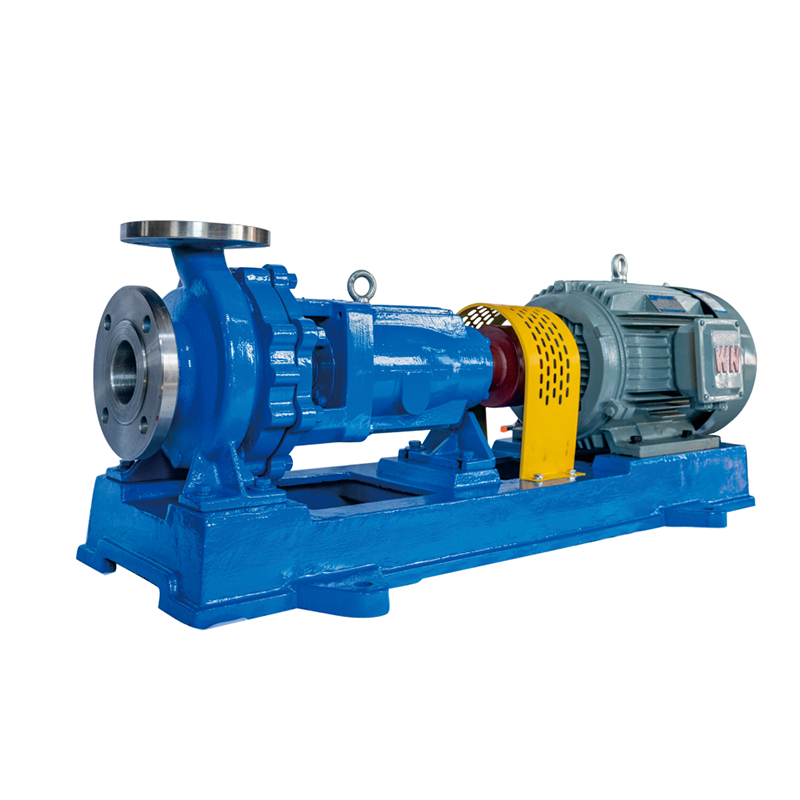
Install the Piping System
Inlet and Outlet Connections: Attach the suction (inlet) and discharge (outlet) pipes to the pump. Ensure that all connections are secure and properly sealed to prevent leaks.
Pipe Support: Ensure that the inlet and outlet pipes are adequately supported and aligned. Avoid excessive bending or tension on the piping, as this can strain the pump and lead to misalignment or wear.
Check Valve Installation: Install check valves, if necessary, to prevent backflow and protect the pump from damage. These should be installed in the discharge line to ensure the fluid flows in the correct direction.
Check for Proper Alignment
Misalignment of the pump and motor can cause excessive wear and lead to system failures. Check the alignment of the motor shaft to the pump shaft or the coupling system. Ensure that the motor and pump are aligned horizontally or vertically as required.
Use Laser Alignment: For high-precision alignment, a laser alignment tool is recommended to ensure accurate coupling and avoid any misalignment that could cause the pump to operate inefficiently or wear prematurely.
Electrical Connections
Ensure that the electrical wiring is correctly connected to the motor. Double-check the motor’s voltage and current ratings to ensure compatibility with the power supply. If using a Variable Frequency Drive (VFD) for speed control, ensure that the VFD settings are correctly configured.
Verify Pump Components
Magnets and Containment Shell: Ensure that the magnets are intact and securely attached. Check the containment shell for any cracks or damage, as any flaws could compromise the pump’s leak-free operation.
Rotor and Impeller: Verify that the rotor is properly seated and that the impeller is free of debris. The impeller should rotate freely by hand before turning on the motor.
6.2. Priming and Startup Procedures
Prime the Pump
Unlike traditional pumps, magnetic drive pumps do not have a mechanical seal to create a vacuum, so they rely on the fluid’s natural flow to prime the system. Here’s how to ensure the pump is properly primed:
Fill the Pump and Piping: Before starting, fill the pump and suction piping with the fluid to be pumped. Check that the pump casing and suction lines are fully primed, ensuring that no air pockets remain.
Ensure Proper Fluid Supply: Verify that the liquid supply is sufficient for the pump’s operation. The pump should not run dry as this could damage the internal components.
Priming Valves: If your pump system includes priming valves, open them to allow fluid to flow through the system and remove any trapped air. Once the fluid reaches the pump casing, close the priming valves.
Start the Pump Slowly
Initial Start: When starting the pump, use a gradual, controlled start to prevent sudden shocks to the system. This is especially important if the pump is large or if the fluid is viscous. Many pumps are equipped with soft-start technology, which helps in reducing mechanical stresses on the pump.
Monitor Motor Current: During startup, monitor the motor current. Excessive current draw can indicate issues like improper priming, system blockages, or incorrect alignment.
Check for Proper Rotation Direction
For centrifugal magnetic drive pumps, it’s essential to verify that the impeller rotates in the correct direction. Incorrect rotation can reduce efficiency or damage the pump. Most pumps have a directional arrow indicating the correct rotation, but it's always good to double-check:
Rotation Test: Before starting the system fully, briefly run the motor to check the impeller’s direction. If the rotation is wrong, reverse two of the power supply wires to change the direction.
Check for Leaks
Once the pump has started, carefully check the pump casing, piping connections, and seals for any signs of leakage. Since magnetic drive pumps are designed to be leak-free, any leaks at this stage might indicate issues with the seals, connections, or damage to the containment shell.
Pressure Testing: If necessary, perform a pressure test on the system to ensure that all components are sealed correctly. Pressure tests are especially important for high-pressure systems where even small leaks can cause significant problems.
Verify Pump Performance
After the pump has reached normal operating conditions, verify that it is performing within the expected parameters:
Flow Rate: Check the actual flow rate against the design specifications to ensure the pump is moving the correct volume of fluid.
Pressure: Measure the discharge pressure to ensure it aligns with the required head (pressure) conditions.
Vibration and Noise: Listen for any unusual noises or vibrations, which could indicate misalignment, cavitation, or other mechanical issues.
Monitor the System
After startup, monitor the pump’s performance closely during the initial hours of operation. Check the temperature of the pump, motor, and bearings to ensure that everything is operating within safe limits.
Adjustments: Make any necessary adjustments to the system based on the observed performance, such as adjusting motor speed if using a VFD or optimizing flow rate and pressure settings.
6.3. Final Checks and Commissioning
Finalize System Calibration
Ensure all sensors, control valves, and safety systems are properly calibrated and functioning. Set up alarms or monitoring systems for any operational anomalies such as overheating, excessive vibration, or flow irregularities.
Document Installation and Performance Data
Record all relevant installation details, such as pipe sizes, motor settings, and performance benchmarks. This documentation will be important for future maintenance or troubleshooting.
Safety Checks
Make sure all safety protocols are in place, including emergency shutdown systems, pressure relief valves, and fire protection measures. Safety should always be a top priority during installation and operation.
7. Operation and Maintenance
Once your magnetic drive pump is successfully installed and has completed the startup process, ongoing operation and regular maintenance become essential for ensuring its long-term performance and reliability. This section covers best practices for operating a magnetic drive pump, preventive maintenance tasks, troubleshooting common issues, and replacing wear components to keep your pump running smoothly.
7.1. Best Practices for Operating Magnetic Drive Pumps
Operating Within Design Parameters
Always operate the pump within the design specifications for flow rate, pressure, temperature, and motor speed. Operating outside of these parameters, such as running the pump dry, can lead to overheating, system damage, or premature failure.
Monitor Parameters: Regularly check the pump’s flow rate and pressure to ensure that it is operating at the desired levels.
Avoid Deadheading: Running the pump without flow (deadheading) can cause overheating and potential damage to the pump. Always ensure that there is a sufficient flow path.
Maintaining Fluid Levels
Magnetic drive pumps rely on the fluid to lubricate and cool the pump components, particularly the motor and bearings. Ensure that the system’s fluid levels are maintained and that the pump is not running low on fluid, as this can cause dry running, overheating, and severe damage.
Monitoring Operating Conditions
Temperature: Monitor the temperature of the pump casing and motor. An increase in temperature could be a sign of improper operation, blockage, or insufficient lubrication.
Vibration: Excessive vibration can indicate an issue with alignment, bearing failure, or cavitation. Regularly check for abnormal vibrations during operation.
Noise: Unusual noise, such as grinding or screeching, may point to bearing failure or debris in the pump. If strange noises are heard, stop the pump immediately for inspection.
Control of Pump Speed
If the pump is equipped with a Variable Frequency Drive (VFD), adjust the motor speed to match varying flow requirements. By controlling the speed, you can optimize energy use, reduce mechanical stress, and extend pump life.
Preventing Cavitation
Cavitation occurs when the pressure within the pump drops below the fluid’s vapor pressure, leading to the formation of vapor bubbles. These bubbles can collapse, causing damage to the impeller and pump casing. To avoid cavitation:
Ensure the suction pressure is sufficient to maintain adequate flow.
Avoid operating the pump at excessively high speeds that might cause a drop in suction pressure.
Maintain clean suction lines and ensure there are no blockages.
7.2. Preventive Maintenance Tasks
Regular preventive maintenance is essential to keep your magnetic drive pump operating efficiently and to avoid costly repairs or downtime. Some of the key tasks include:
Inspection of Pump Components
Magnets: Regularly inspect the magnets to ensure that they are not cracked or damaged. If demagnetization or physical damage is detected, replace the magnets immediately to maintain optimal performance.
Containment Shell: Check the containment shell for signs of wear, cracks, or corrosion. This part is critical for the leak-free operation of the pump, so any damage should be addressed promptly.
Bearings: Inspect the bearings for wear and lubrication. If the pump uses a bearing lubrication system, ensure that the lubricant is fresh and filled to the recommended level.
Impeller and Rotor: Inspect the impeller for wear, cracks, or damage. A damaged impeller can reduce efficiency and cause cavitation.
Lubrication Maintenance
Bearings: For pumps with external bearings, check for proper lubrication levels and reapply lubricant as recommended by the manufacturer. Insufficient lubrication can cause bearing wear and failure.
Magnetic Coupling: In pumps with magnetic couplings, ensure that the coupling is well-lubricated if applicable. Lack of lubrication can lead to friction, which will reduce the lifespan of the pump.
Cleaning the Pump
Over time, debris and solids can accumulate inside the pump, especially if the pumped fluid is contaminated with particles. Regularly clean the internal parts of the pump to remove any build-up that could interfere with its operation.
Disassemble and Clean: Periodically disassemble the pump to clean the internal components, including the rotor, magnets, and impeller. Use compatible cleaning agents to avoid corrosion or damage.
Suction and Discharge Lines: Clean and inspect the suction and discharge lines for blockages or build-up of debris. Ensuring free flow in the pipes helps maintain efficiency.
Check for Leaks
Even though magnetic drive pumps are designed to be leak-free, it's essential to inspect the casing, containment shell, and connections regularly for any signs of leakage, particularly when starting or stopping the pump. Leaks can indicate a problem with the containment shell, seals, or other components.
System Flushing
Regularly flush the system to remove any sediment or contaminants that may have entered during operation. This can help maintain the pump’s efficiency and prevent clogging of internal passages.
7.3. Troubleshooting Common Issues
Even with regular maintenance, issues can arise with magnetic drive pumps. Here are some common problems and their potential solutions:
Pump Not Starting or Stopping
Cause: Electrical issues, such as a tripped circuit breaker, incorrect motor connections, or faulty wiring.
Solution: Check the electrical connections, verify that the motor is correctly wired, and inspect the circuit breaker. If using a VFD, ensure that the drive settings are configured correctly.
Reduced Flow or Low Pressure
Cause: Blockage in the suction or discharge line, a clogged impeller, or improper pump speed settings.
Solution: Inspect the suction and discharge lines for blockages. Clean the impeller and ensure the pump is operating at the correct speed. Check for air leaks in the piping or insufficient priming.
Excessive Vibration or Noise
Cause: Misalignment, damaged bearings, cavitation, or a worn impeller.
Solution: Check the alignment of the motor and pump shaft. Inspect the bearings and replace them if necessary. Reduce the pump speed to avoid cavitation and replace any damaged impellers.
Overheating
Cause: Dry running, insufficient fluid supply, or excessive motor load.
Solution: Ensure that the pump is fully primed and that the fluid supply is consistent. Check the motor load and adjust if necessary. Also, ensure proper cooling and lubrication of the motor and bearings.
Leaks
Cause: Damaged containment shell, worn magnets, or faulty seals.
Solution: Inspect the containment shell and replace it if cracked or damaged. Check the integrity of the magnets and replace them if demagnetized or damaged.
7.4. Replacing Wear Components
Over time, certain components of a magnetic drive pump will wear out and need to be replaced. Common parts that require periodic replacement include:
Magnets
Magnets can lose their strength over time or become damaged due to high temperatures or external impacts. If you notice a decrease in pump performance, inspect the magnets for cracks or signs of demagnetization. Replace them with new, high-quality magnets.
Bearings
Bearings are subject to wear and tear due to friction. Regular lubrication helps extend their lifespan, but eventually, they will need to be replaced. If bearings show signs of damage or excessive wear (e.g., rough rotation, noise, or vibration), they should be replaced.
Impeller
Impellers are exposed to the pumping fluid and can wear out due to erosion, corrosion, or cavitation. If the impeller is cracked or worn, it can affect pump performance, causing reduced flow and efficiency. Always replace the impeller when it shows signs of significant wear or damage.
Seals and Gaskets
Over time, seals and gaskets may degrade due to chemical exposure or thermal cycling. If leaks are detected, inspect and replace the seals and gaskets.

 Tel: +86-15256327373
  E-mail:
  Add: Anhui Southern Chemical Pump Co., Ltd. The intersection of Kaicheng Road and Fuxing Road, Jing Country, Xuancheng City, Anhui Province