


 English
 русский
 Español
 عربى
عربى
Content
Introduction to Self-Priming Magnetic Drive Pumps
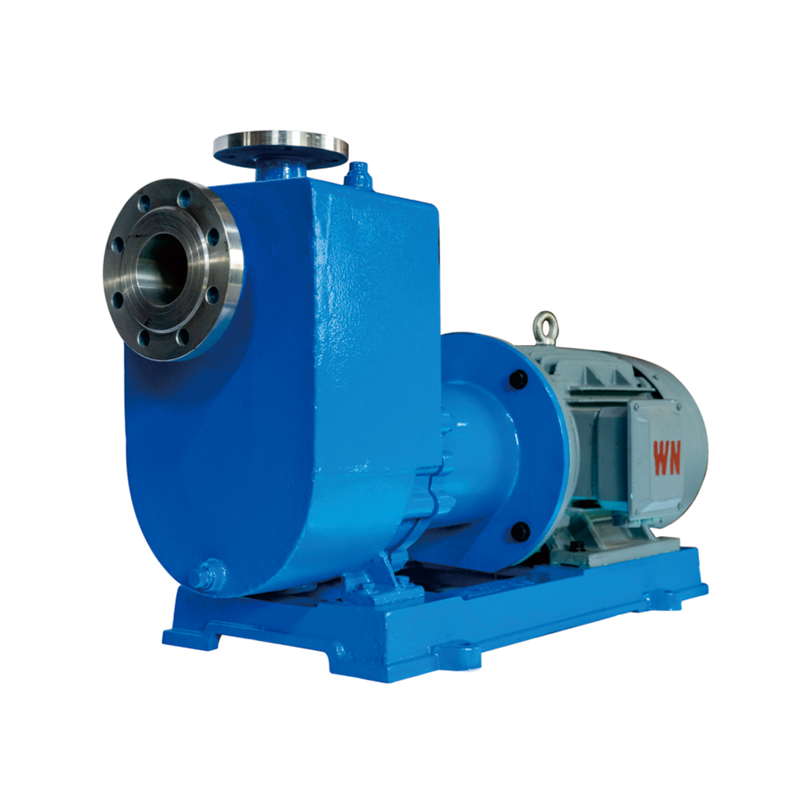
Self-priming magnetic drive pumps combine the advantages of self-priming capability and a seal-less magnetic drive to deliver liquid safely without leakage. They are widely used in chemical, pharmaceutical, and industrial applications for handling corrosive, volatile, or hazardous fluids. Understanding the maintenance requirements of these pumps is crucial for ensuring long-term reliability and operational efficiency.
Despite their robust design, questions often arise about whether self-priming magnetic drive pumps are difficult to maintain. This article provides an in-depth look at the maintenance aspects, common issues, and best practices for these pumps.
Design Features That Reduce Maintenance Needs
Self-priming magnetic drive pumps are designed with minimal wear components. Key features include:
Seal-less Design
The magnetic drive eliminates the need for mechanical seals, which are a common source of leaks and require frequent replacement. This design reduces maintenance frequency and prevents fluid leakage, especially with corrosive or hazardous liquids.
Self-Priming Capability
The self-priming feature allows the pump to evacuate air from suction lines and start pumping without manual intervention. This reduces the risk of dry-run damage and simplifies startup procedures, lowering the need for frequent maintenance checks.
Corrosion-Resistant Materials
Components are often made of stainless steel, engineered plastics, or other corrosion-resistant materials. These materials extend service life, reduce the risk of chemical damage, and minimize cleaning or replacement requirements.
Common Maintenance Requirements
While self-priming magnetic drive pumps require less maintenance than traditional pumps, certain routine checks and preventive measures are essential to ensure optimal performance.
Inspection of Magnetic Coupling
The magnetic coupling transfers torque from the motor to the impeller. Periodic inspection ensures the magnets remain aligned and free of debris. Misalignment or wear can reduce efficiency or cause vibration.
Checking Pump Bearings
Although magnetic drive pumps have fewer moving parts, bearings in the motor and pump assembly still require monitoring. Lubrication (if applicable) and inspection for wear or unusual noise help prevent unexpected downtime.
Impeller and Volute Maintenance
Impellers and volutes should be periodically cleaned to remove sediment, scale, or chemical deposits. Keeping these components clean ensures efficient fluid flow and reduces stress on the magnetic drive.
Seal Containment Inspection
The containment shell isolates the pumped fluid from the motor. Checking for cracks or damage ensures the pump remains leak-free. Any signs of wear or stress should be addressed immediately.
Factors Affecting Maintenance Difficulty
Maintenance complexity depends on operational conditions, fluid type, and installation practices. Key factors include:
Type of Fluid
Corrosive, abrasive, or high-viscosity fluids increase wear on the impeller and containment shell. Pumps handling such fluids may require more frequent inspection and cleaning.
Operating Temperature and Pressure
High temperatures or pressures can stress the pump materials and magnetic coupling. Proper monitoring and periodic maintenance are needed to avoid overheating, deformation, or reduced magnetic efficiency.
Installation Environment
Dust, vibration, and exposure to extreme weather can affect pump components and motor performance. Protecting the pump and following manufacturer installation guidelines reduces maintenance effort.
Best Practices for Simplified Maintenance
Adopting proper operational and maintenance practices can further reduce the effort required to maintain self-priming magnetic drive pumps.
Regular Cleaning Schedule
Establishing a routine for cleaning the impeller, volute, and magnetic coupling prevents buildup that can reduce efficiency or lead to misalignment.
Monitoring Performance Metrics
- Monitor flow rate and pressure to detect early signs of reduced performance.
- Listen for unusual noise or vibration, indicating wear or misalignment.
Spare Parts Inventory
Keeping essential spare parts such as bearings, containment shells, and impellers on hand allows quick replacement and reduces downtime.
Comparison of Maintenance Requirements
| Pump Type | Maintenance Frequency | Ease of Maintenance | Leak Risk |
| Self-Priming Magnetic Drive Pump | Moderate | High (simple disassembly, seal-less) | Very Low |
| Traditional Mechanical Seal Pump | High | Moderate | Moderate |
Conclusion: Maintenance Perspective
Self-priming magnetic drive pumps are not difficult to maintain compared to traditional pumps. Their seal-less design, corrosion-resistant materials, and self-priming capability reduce maintenance frequency and complexity. By following recommended inspection, cleaning, and monitoring practices, operators can ensure long-term reliability, minimize downtime, and maintain leak-free performance across various industrial applications.

 Tel: +86-15256327373
  E-mail:
  Add: Anhui Southern Chemical Pump Co., Ltd. The intersection of Kaicheng Road and Fuxing Road, Jing Country, Xuancheng City, Anhui Province