


 English
 русский
 Español
 عربى
عربى
Content
- 1 Introduction: Corrosion Resistance in Stainless Steel Magnetic Pumps
- 2 Material Selection and Corrosion Resistance
- 3 Magnetic Drive Design: Eliminating Leakage and Corrosion Risk
- 4 Operational Practices for Longevity
- 5 Maintenance and Inspection Strategies
- 6 Chemical Compatibility Considerations
- 7 Conclusion: Ensuring Long-Term Corrosion Resistance
Introduction: Corrosion Resistance in Stainless Steel Magnetic Pumps
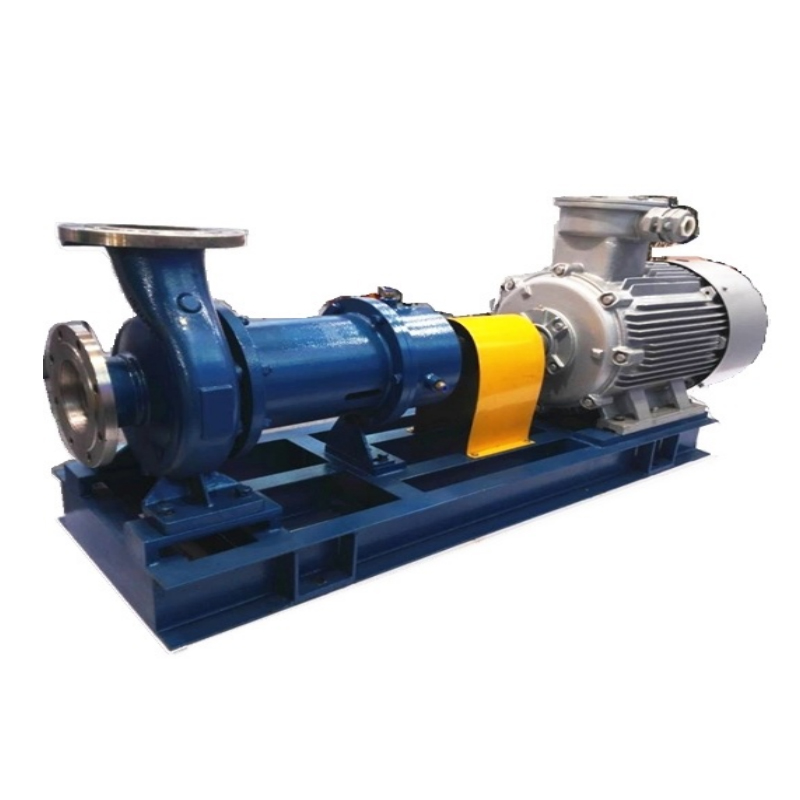
Stainless steel magnetic pumps are widely used in chemical, pharmaceutical, and industrial applications due to their ability to handle corrosive fluids without leakage. Corrosion resistance is a critical factor determining the pump's lifespan and reliability. This article examines the materials, design features, operational considerations, and maintenance practices that contribute to the extended corrosion resistance of stainless steel magnetic pumps.
Material Selection and Corrosion Resistance
The corrosion resistance of a stainless steel magnetic pump primarily depends on the type of stainless steel used and the coatings applied. Common stainless steel grades include 304, 316, and 316L, each offering varying levels of resistance to acidic and alkaline fluids. The presence of chromium in stainless steel forms a passive oxide layer on the surface, protecting the metal from chemical attack.
Key Material Considerations
- 304 Stainless Steel: Offers moderate corrosion resistance, suitable for mild acids and water-based fluids.
- 316 Stainless Steel: Enhanced resistance to chlorides and aggressive chemicals, widely used in chemical industries.
- 316L Stainless Steel: Low-carbon variant ideal for highly corrosive environments or repeated cleaning cycles.
Magnetic Drive Design: Eliminating Leakage and Corrosion Risk
Magnetic pumps utilize a magnetic drive to transmit torque from the motor to the impeller without a direct shaft connection. This eliminates the need for mechanical seals, which are often vulnerable to corrosion and wear. By preventing leaks, the magnetic drive reduces the risk of chemical exposure to the pump housing and surrounding environment.
Design Features Enhancing Corrosion Resistance
- Fully enclosed impellers and containment shells made of stainless steel or high-performance alloys.
- Secondary containment with non-metallic coatings for highly aggressive fluids.
- Use of corrosion-resistant magnets such as coated neodymium or rare-earth materials.
Operational Practices for Longevity
Even with high-quality materials and magnetic drive design, operational practices are essential for prolonged corrosion resistance. Correct handling and monitoring prevent conditions that can accelerate chemical attack or mechanical wear.
Best Practices
- Avoid running the pump dry, which can overheat components and damage protective oxide layers.
- Regularly flush the pump with neutralizing solutions after handling highly acidic or alkaline fluids.
- Monitor operating temperature and pressure to remain within manufacturer-specified limits.
Maintenance and Inspection Strategies
Routine maintenance ensures that stainless steel magnetic pumps maintain their corrosion resistance over time. Inspection of key components allows early detection of wear, pitting, or coating damage.
Maintenance Checklist
- Visual inspection of stainless steel surfaces for signs of corrosion or discoloration.
- Checking the magnetic coupling for alignment and integrity.
- Lubrication or cleaning of bearings (if present) to prevent mechanical wear.
- Verification of any non-metallic coatings or liners for damage or chemical degradation.
Chemical Compatibility Considerations
Corrosion resistance also depends on the chemical composition of the fluid being pumped. Stainless steel magnetic pumps perform best with chemicals compatible with their grade. Highly aggressive acids, halides, and oxidizing agents may require specialized alloys or coatings.
Chemical Compatibility Table
| Chemical | 304 SS | 316 SS | 316L SS |
| Hydrochloric Acid (Dilute) | Poor | Fair | Good |
| Sulfuric Acid (Low Concentration) | Fair | Good | Excellent |
| Sodium Hydroxide | Good | Good | Good |
Conclusion: Ensuring Long-Term Corrosion Resistance
Stainless steel magnetic pumps can withstand corrosion for extended periods if proper materials, design, operational practices, and maintenance procedures are followed. Selecting the right stainless steel grade, using magnetic drive technology, adhering to operational limits, and conducting routine inspections ensures long-term performance and reliability. These pumps offer significant advantages in chemical resistance, leak prevention, and durability, making them ideal for demanding industrial applications.

 Tel: +86-15256327373
  E-mail:
  Add: Anhui Southern Chemical Pump Co., Ltd. The intersection of Kaicheng Road and Fuxing Road, Jing Country, Xuancheng City, Anhui Province