


 English
 русский
 Español
 عربى
عربى
Content
- 1 Introduction: importance of corrosion resistance in pumps
- 2 Material composition and corrosion resistance mechanisms
- 3 Design features enhancing corrosion resistance
- 4 Applications benefiting from high corrosion resistance
- 5 Performance metrics related to corrosion resistance
- 6 Maintenance and best practices for maximizing corrosion resistance
- 7 Conclusion: reliable corrosion resistance for demanding applications
Introduction: importance of corrosion resistance in pumps
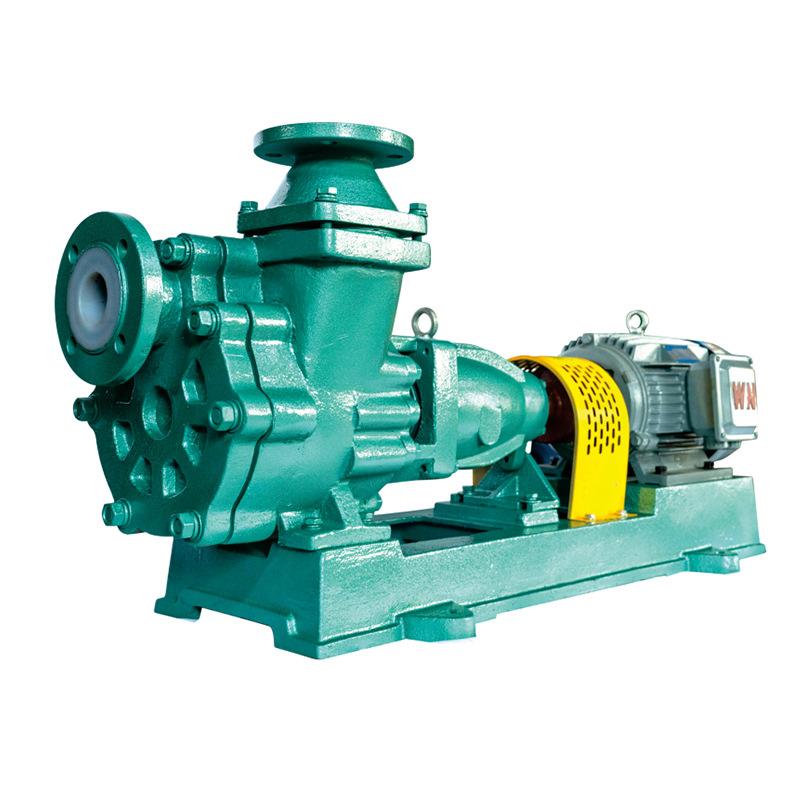
Corrosion is one of the primary challenges in industrial fluid handling, particularly when dealing with aggressive chemicals, acids, and alkalis. The FZB Fluorine Plastic Lined-in Self-priming Pump is designed to address these challenges by combining the self-priming functionality with a highly corrosion-resistant fluoropolymer lining. This article explores how corrosion resistance is achieved, the factors affecting it, and practical applications where FZB pumps provide long-term reliability and safety.
Material composition and corrosion resistance mechanisms
The key to the FZB pump’s corrosion resistance lies in its fluorine plastic lining, typically made of PTFE (Polytetrafluoroethylene), FEP (Fluorinated Ethylene Propylene), or PFA (Perfluoroalkoxy). These materials are chemically inert and highly resistant to most acids, alkalis, and organic solvents. The fluoropolymer lining forms a barrier between the pumped fluid and the metallic body, preventing chemical attack on the metal components. In addition, the smooth surface of the lining reduces fouling and prevents the initiation of corrosion pits.
PTFE, FEP, and PFA properties
PTFE is known for its excellent chemical resistance across a wide temperature range, while FEP and PFA offer additional flexibility and better thermal stability. These materials resist corrosion from strong acids such as hydrochloric acid, sulfuric acid, and nitric acid, as well as alkalis like sodium hydroxide. Their high dielectric strength also provides additional protection in electrically conductive environments.
Design features enhancing corrosion resistance
Beyond material selection, the design of the FZB self-priming pump contributes to its corrosion resistance. The lining is bonded to the pump casing using advanced techniques that prevent delamination under thermal or mechanical stress. Critical areas such as impellers, volutes, and suction chambers are fully lined to ensure complete isolation from corrosive fluids. The self-priming mechanism is designed to operate without allowing air pockets that could accelerate corrosion on unprotected surfaces.
Lining thickness and integrity
Lining thickness varies based on application requirements, typically ranging from 2 mm to 6 mm. Thicker linings provide enhanced mechanical protection against abrasion and chemical penetration. Quality control during manufacturing ensures uniform thickness and the absence of voids, which are critical to maintaining corrosion resistance over long operational periods.
Applications benefiting from high corrosion resistance
The FZB pump is widely used in industries where aggressive fluids are common. Its corrosion resistance makes it suitable for chemical processing, pharmaceutical production, wastewater treatment, and metal plating operations. The pump can handle acids, alkalis, solvents, and slurry solutions without degradation, maintaining long-term operational reliability.
Chemical industry examples
- Transporting hydrochloric acid or sulfuric acid in chemical plants without corrosion concerns.
- Handling aggressive cleaning solutions used in process equipment maintenance.
- Pumping organic solvents in pharmaceutical production where metal corrosion could contaminate the product.
Performance evaluation of corrosion resistance includes lining durability, chemical compatibility, and operational lifespan. Laboratory tests simulate extreme pH and temperature conditions to verify that the lining resists chemical attack. In-field performance is measured by the absence of leaks, surface degradation, and maintenance frequency.
| Fluid Type | Operating Temp (°C) | Expected Service Life |
| Hydrochloric Acid (10–30%) | 0–80 | 5–7 years |
| Sodium Hydroxide (10–50%) | 0–70 | 5–8 years |
| Organic Solvents (e.g., acetone, ethanol) | 0–60 | 4–6 years |
Maintenance and best practices for maximizing corrosion resistance
Proper maintenance ensures the FZB pump continues to deliver high corrosion resistance. Operators should avoid running the pump dry, monitor fluid pH and temperature to stay within design limits, and inspect the lining for mechanical damage. Using compatible gaskets and seals prevents chemical penetration to the metal casing. Periodic cleaning removes deposits that could abrade or chemically attack the lining.
Preventive measures
- Avoid exceeding recommended temperature and pressure limits to prevent thermal or mechanical stress on the lining.
- Use chemical compatibility charts to confirm that pumped fluids do not react with the fluorine plastic lining.
- Perform scheduled inspections and replace worn linings before significant degradation occurs.
Conclusion: reliable corrosion resistance for demanding applications
The FZB Fluorine Plastic Lined-in Self-priming Pump offers exceptional corrosion resistance due to its fluoropolymer lining, comprehensive design, and manufacturing quality. It is highly suitable for chemical, pharmaceutical, and other aggressive fluid handling applications. With proper operation and maintenance, the FZB pump provides long service life, minimizes downtime, and ensures safety when handling corrosive fluids, making it a reliable choice for demanding industrial environments.

 Tel: +86-15256327373
  E-mail:
  Add: Anhui Southern Chemical Pump Co., Ltd. The intersection of Kaicheng Road and Fuxing Road, Jing Country, Xuancheng City, Anhui Province