


 English
 русский
 Español
 عربى
عربى
Content
Introduction to Stainless Steel Chemical Pumps
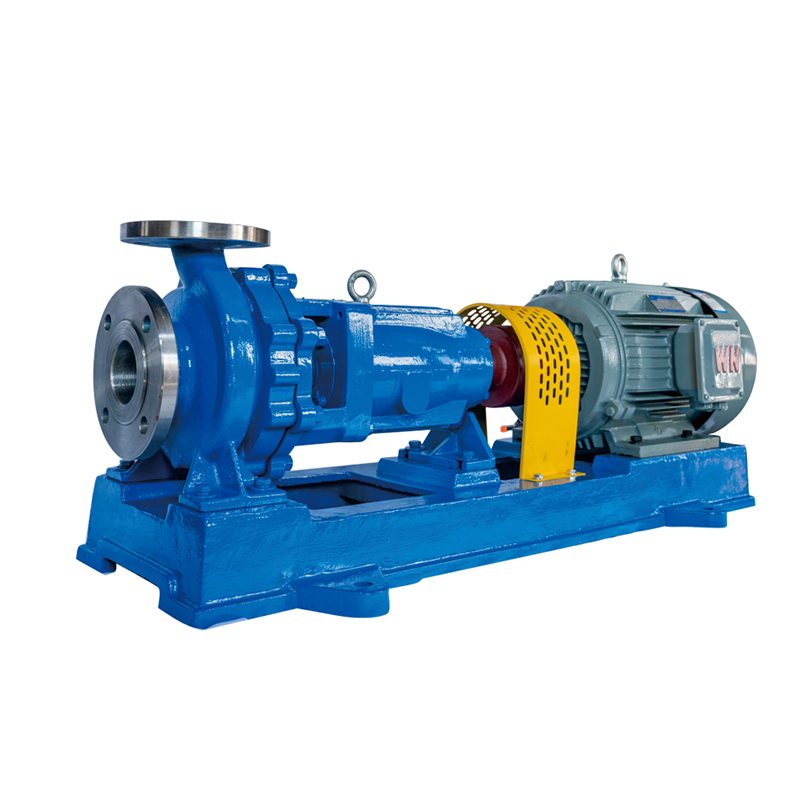
Stainless steel chemical pumps are widely used in the chemical, pharmaceutical, and food industries due to their corrosion resistance, durability, and ability to handle aggressive fluids. Selecting the right pump and maintaining it properly can significantly improve operational efficiency and equipment longevity. This article provides a detailed guide for practical selection, installation, and maintenance of stainless steel chemical pumps.
Key Considerations for Pump Selection
1. Fluid Properties
Before selecting a stainless steel chemical pump, it is essential to consider the type of fluid being pumped. Factors such as viscosity, corrosiveness, temperature, and solid content can affect the pump's performance. Stainless steel is suitable for acids, alkalis, and solvents, but the specific alloy must match the chemical compatibility requirements.
2. Flow Rate and Pressure
Accurate calculation of the required flow rate and discharge pressure is critical. Overestimating flow can lead to energy wastage, while underestimating it may reduce process efficiency. Always consult manufacturer curves to select a pump that meets both the required flow and head conditions.
3. Pump Type
There are various types of stainless steel chemical pumps, including centrifugal, gear, diaphragm, and peristaltic pumps. The choice depends on application requirements:
- Centrifugal pumps: Suitable for low-viscosity, high-flow fluids.
- Gear pumps: Ideal for high-viscosity liquids.
- Diaphragm pumps: Effective for corrosive or abrasive fluids.
- Peristaltic pumps: Used for precise dosing and sanitary applications.
Installation Guidelines
1. Site Preparation
The installation site should be level, stable, and free from vibration. Electrical interference and extreme temperature variations should be minimized, especially for electronic-controlled pumps. Ensure that the foundation can support the pump weight and allows easy access for maintenance.
2. Alignment and Piping
Proper alignment between the pump and motor is critical to avoid excessive wear and vibration. Flexible connectors can compensate for minor misalignments. Piping should minimize suction restrictions and avoid sharp bends near the pump inlet. Installing isolation valves and strainers can protect the pump from foreign particles and allow easier maintenance.
3. Electrical and Safety Considerations
Ensure that the pump is connected to the correct voltage and that electrical wiring follows local codes. Explosion-proof or intrinsically safe pumps must be used in hazardous areas. Proper grounding and shielding are recommended to prevent signal interference and ensure operator safety.
Operational Best Practices
1. Priming and Start-Up
Before starting a chemical pump, verify that it is properly primed to avoid dry running, which can damage seals and impellers. Gradually increase the flow and pressure to the operating range. Monitor vibrations, noise, and temperature during the initial start-up period to detect abnormalities early.
2. Monitoring and Control
Continuous monitoring of flow, pressure, and temperature ensures the pump operates within design limits. Installing sensors and control devices can automate safety shutdowns in case of overpressure or dry running. Regularly check bearings and seals for wear and leakage.
Maintenance and Troubleshooting
1. Routine Inspection
Regular inspection of mechanical seals, bearings, impellers, and pump casing is essential. Look for signs of corrosion, leakage, or unusual noise. Replace worn components promptly to prevent more significant failures.
2. Cleaning and Chemical Compatibility
Chemical deposits and scale can reduce efficiency. Periodically clean the pump according to the chemical compatibility of stainless steel. Avoid using cleaning agents that may react with the alloy or degrade seals and gaskets.
3. Common Troubleshooting Issues
Some common operational problems include:
- Excessive vibration: Usually caused by misalignment or worn bearings.
- Leakage: Often due to damaged seals or improper assembly.
- Reduced flow or pressure: Can result from clogging, impeller wear, or cavitation.
- Overheating: Typically caused by dry running, high viscosity fluids, or blocked cooling passages.
Conclusion
Stainless steel chemical pumps are essential for many industrial processes, providing durability, corrosion resistance, and precise fluid handling. By carefully selecting the pump type, properly installing it, following operational best practices, and performing regular maintenance, industries can maximize pump performance, minimize downtime, and extend equipment lifespan. Investing time in these practical steps ensures safety, efficiency, and long-term cost savings for any chemical pumping application.

 Tel: +86-15256327373
  E-mail:
  Add: Anhui Southern Chemical Pump Co., Ltd. The intersection of Kaicheng Road and Fuxing Road, Jing Country, Xuancheng City, Anhui Province