


 English
 русский
 Español
 عربى
عربى
Content
Introduction to Stainless Steel Magnetic Pumps
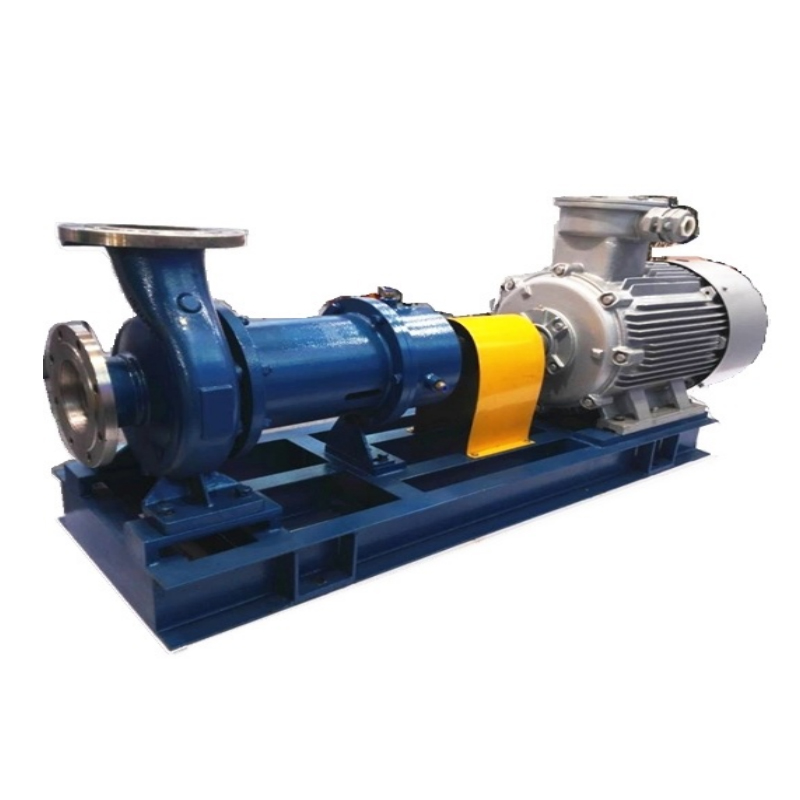
Stainless steel magnetic pumps are advanced pumping devices widely used in chemical, pharmaceutical, and food industries due to their corrosion resistance and leak-free operation. Unlike regular pumps that rely on mechanical seals, magnetic pumps transmit torque via magnetic coupling, eliminating direct shaft penetration through the pump housing.
Understanding the differences between stainless steel magnetic pumps and regular pumps is essential for selecting the right equipment for specific applications. Key differences include design, operational efficiency, maintenance requirements, and suitability for corrosive or hazardous fluids.
Design Differences
The most significant difference lies in the design. Regular pumps, such as centrifugal or gear pumps, use a direct drive with a mechanical seal to prevent leakage. In contrast, stainless steel magnetic pumps use an external and internal magnetic rotor system. The motor drives the external rotor, which magnetically couples with the internal rotor connected to the impeller, allowing torque transfer without shaft penetration.
This design eliminates mechanical seals, one of the most failure-prone components in conventional pumps, providing superior leak protection, especially when handling hazardous, corrosive, or volatile fluids.
Corrosion Resistance and Material Advantages
Stainless steel magnetic pumps are typically constructed from high-grade stainless steel such as 316L, offering excellent resistance to corrosion, oxidation, and chemical attack. Regular pumps, depending on the type, often use cast iron, carbon steel, or lower-grade stainless steel, which may be less suitable for aggressive chemicals.
This corrosion resistance makes stainless steel magnetic pumps ideal for acids, alkalis, solvents, and other chemically aggressive liquids, ensuring longer lifespan and reduced maintenance costs in demanding industrial environments.
Leak Prevention and Safety
Leakage is a major concern with regular pumps due to mechanical seals that wear over time, especially when handling hazardous or volatile fluids. In contrast, stainless steel magnetic pumps eliminate the need for a mechanical seal, using a hermetically sealed design that prevents leaks completely.
This feature is particularly important in chemical processing or pharmaceutical applications, where leakage could result in safety hazards, environmental contamination, or product loss.
Maintenance Requirements
Regular pumps require frequent inspection and replacement of mechanical seals and bearings, leading to higher maintenance costs and downtime. Stainless steel magnetic pumps have fewer moving parts exposed to the pumped medium and no mechanical seal, significantly reducing maintenance needs.
Routine maintenance typically includes checking the bearings and ensuring proper alignment of the magnetic coupling. The absence of seals also minimizes the risk of leakage during maintenance procedures.
Efficiency and Performance
Both stainless steel magnetic pumps and regular pumps can achieve similar flow rates and pressures. However, magnetic pumps often operate more efficiently under certain conditions, especially when handling corrosive, hot, or hazardous liquids. The hermetic design allows for continuous operation without fluid loss or seal failure, improving overall system efficiency.
Magnetic pumps also reduce energy consumption associated with seal friction and avoid downtime due to seal replacement, which can be critical in continuous process operations.
Applications and Suitability
Stainless steel magnetic pumps are preferred for chemical processing, pharmaceutical production, and food-grade applications due to their corrosion resistance, leak-free design, and compliance with hygiene standards. Regular pumps are often sufficient for water, oil, and less corrosive fluids, where mechanical seals and standard materials provide acceptable performance.
Selecting the right pump requires evaluating the chemical compatibility, temperature range, required flow rate, and safety considerations. Magnetic pumps excel when safety, durability, and minimal maintenance are priorities.
Comparison Table: Stainless Steel Magnetic vs Regular Pumps
| Feature | Stainless Steel Magnetic Pump | Regular Pump |
| Sealing | Hermetically sealed, no mechanical seal | Mechanical seal, prone to wear |
| Corrosion Resistance | Excellent (stainless steel 316L or higher) | Moderate to low (cast iron or carbon steel) |
| Maintenance | Minimal, fewer moving parts | High, frequent seal replacement required |
| Leak Risk | Very low, hermetic design | Moderate to high, depends on seal condition |
| Suitable Applications | Chemical, pharmaceutical, corrosive liquids | Water, oil, non-corrosive fluids |
Conclusion
In summary, stainless steel magnetic pumps provide significant advantages over regular pumps in terms of corrosion resistance, leak prevention, maintenance, and safety. While regular pumps remain effective for general applications with non-corrosive fluids, magnetic pumps are the preferred choice for aggressive chemicals, high-purity processes, and environments where minimal maintenance and leak-free operation are critical.
By understanding these differences, industries can select the most appropriate pumping solution, ensuring efficiency, reliability, and long-term operational safety.

 Tel: +86-15256327373
  E-mail:
  Add: Anhui Southern Chemical Pump Co., Ltd. The intersection of Kaicheng Road and Fuxing Road, Jing Country, Xuancheng City, Anhui Province