


 English
 русский
 Español
 عربى
عربى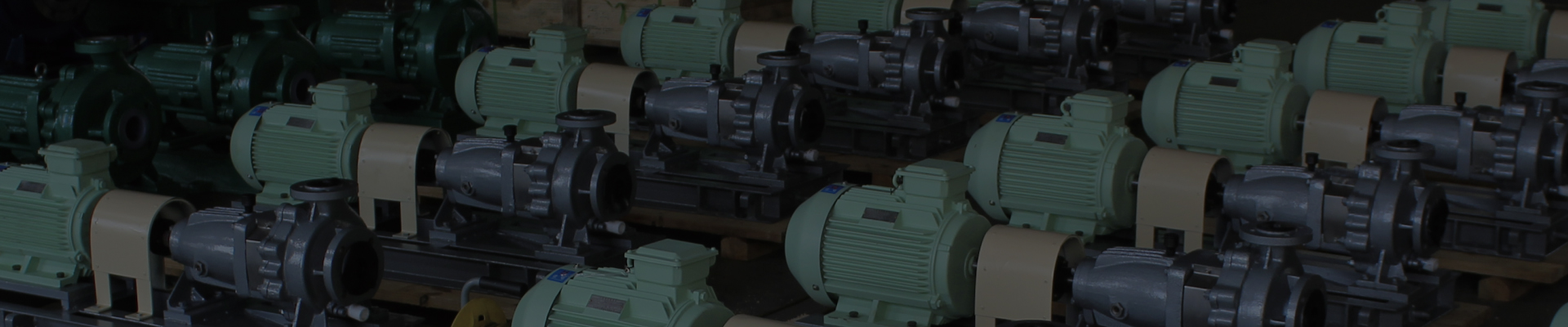

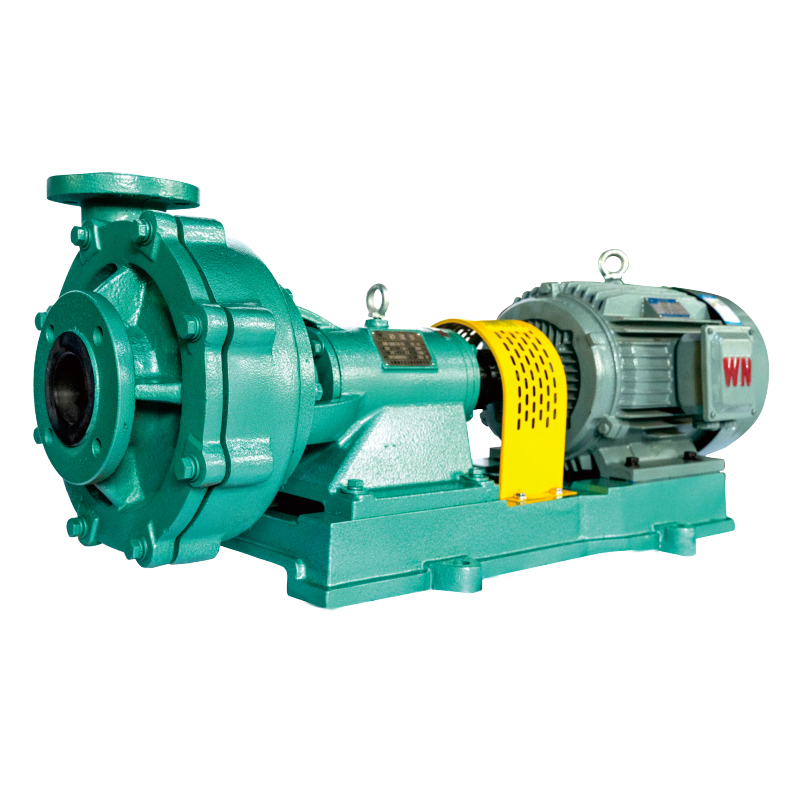
How a Multi-Stage Centrifugal Pump Builds Pressure A single impeller can only push fluid so far bef...
READ MORE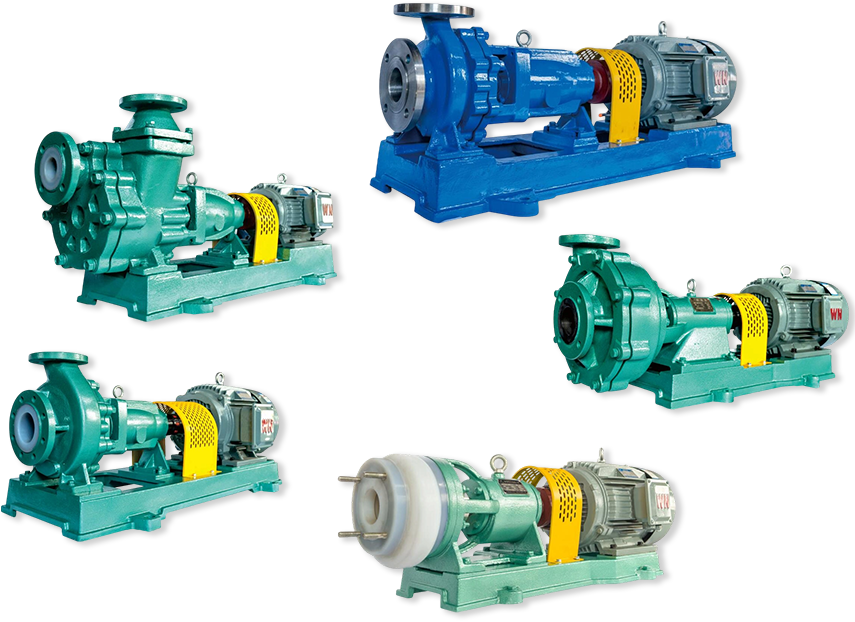
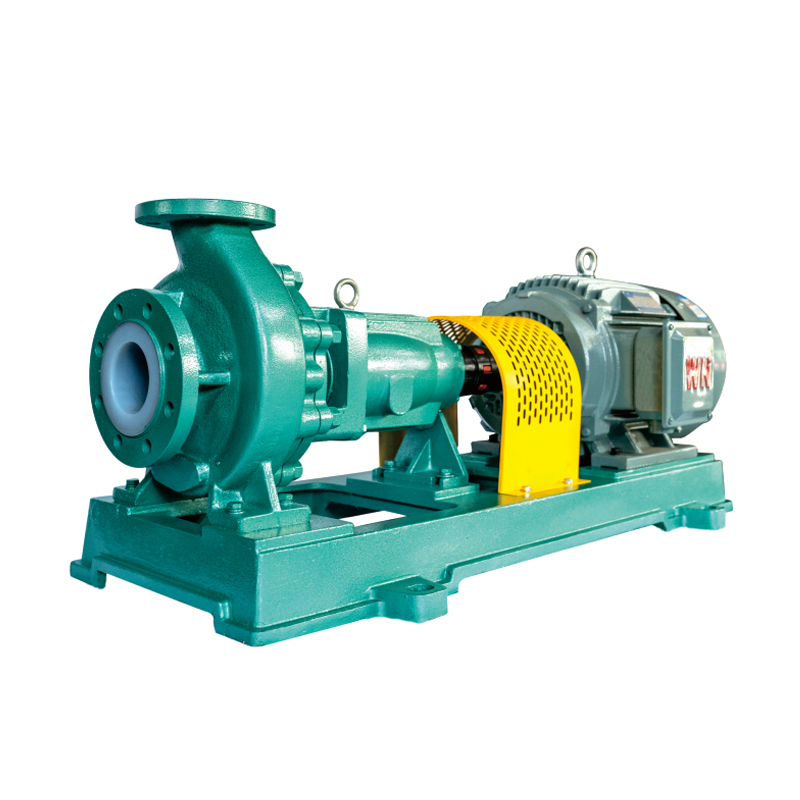
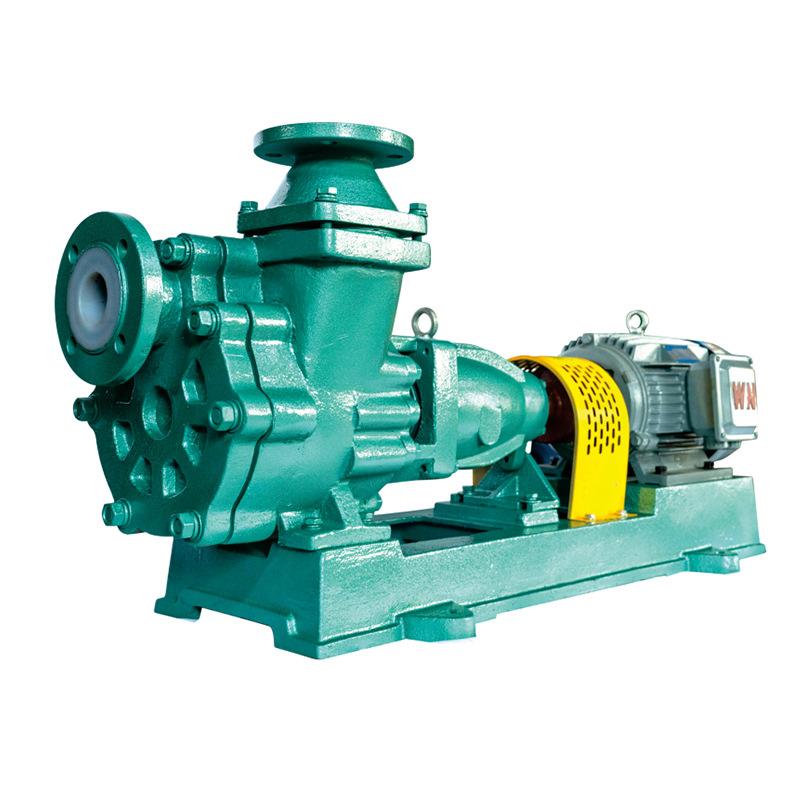
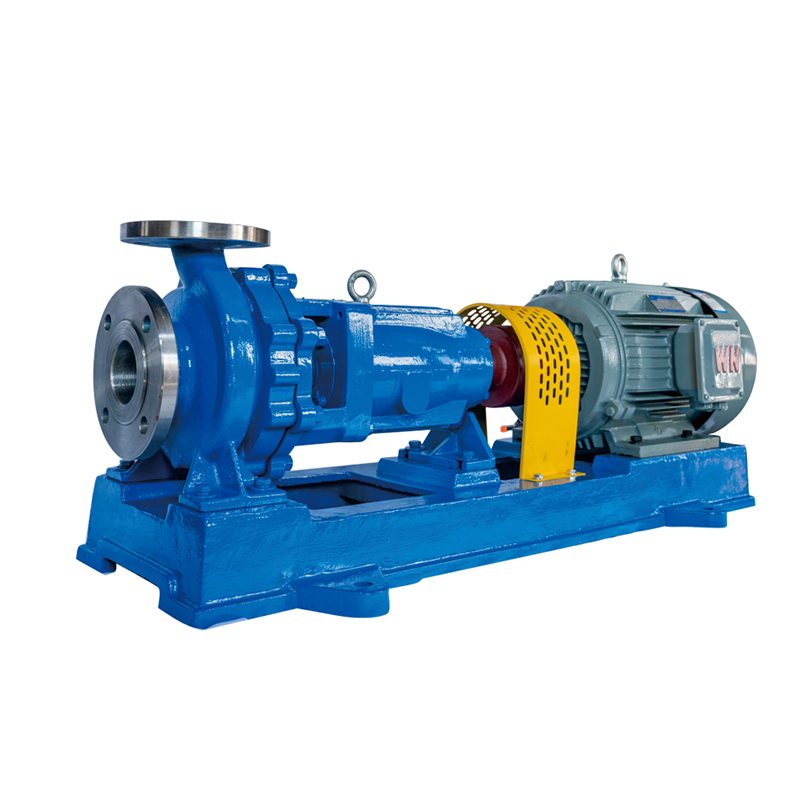
Industrial centrifugal pumps are robust and adaptable fluid handling solutions widely used in various sectors. By harnessing the centrifugal force produced by rotating impellers, these pumps efficiently transfer liquids from one location to another. Their construction typically incorporates high-strength materials that can endure harsh environments and handle corrosive substances, ensuring reliable and long-lasting performance.
These pumps are essential in a broad range of industries, including chemical manufacturing, oil refining, water treatment, and power generation. They are designed to handle a diverse range of fluids, from clean water and sewage to acids, alkalis, and slurries, making them crucial components in many industrial processes.
Notable features of industrial centrifugal pumps include their capacity for high flow rates and pressures, quiet and vibration-free operation, and reliable sealing mechanisms that prevent leaks. Additionally, many modern models come equipped with sophisticated control systems and monitoring tools, allowing operators to optimize performance, proactively address potential issues, and minimize downtime.
How a Multi-Stage Centrifugal Pump Builds Pressure A single impeller can only push fluid so far bef...
READ MOREHow a Centrifugal Pump Moves Fluid A spinning impeller inside the pump casing throws fluid outward ...
READ MORECritical Role of Material Compatibility in Chemical Pumps Selecting the correct construction materi...
READ MOREThe Core Difference: How Each Pump Type Moves Corrosive Fluid When the fluid being pumped is hydroc...
READ MOREWhy Centrifugal Pump Maintenance Cannot Be Deferred Centrifugal pumps are the workhorses of modern ...
READ MOREPumps Consume Over 10% of Global Energy—Most of It Unnecessarily According to analysis published b...
READ MOREBenefits of Using PTFE for Chemical Processing Applications
As a leading manufacturer of industrial pumps, we understand that the materials used in pump construction are critical to ensuring long-term performance and reliability, especially in harsh chemical processing environments. PTFE (Polytetrafluoroethylene) is a high-performance plastic that offers exceptional resistance to corrosion, making it an ideal choice for handling aggressive and hazardous chemicals. Here are the key benefits of using PTFE in centrifugal pumps for chemical applications:
1.1. Superior Chemical Resistance
PTFE’s resistance to almost all chemicals, including strong acids, bases, solvents, and oils, makes it the go-to material for pumps used in chemical processing plants. This exceptional resistance ensures that the pump parts made of PTFE can withstand prolonged exposure to highly corrosive substances without degrading, reducing maintenance costs and increasing pump longevity.
1.2. High Temperature Stability
PTFE can operate at temperatures as high as 260°C (500°F), which is essential for chemical processing applications where elevated temperatures are common. This heat resistance ensures that your PTFE centrifugal pump will continue to perform effectively, even under extreme conditions.
1.3. Reduced Maintenance and Downtime
As a manufacturer, we know that unplanned downtime due to equipment failure can be costly. PTFE’s durability in handling harsh chemicals significantly reduces the risk of pump failures, resulting in less frequent maintenance and minimal downtime. This reliability contributes to consistent production and improved operational efficiency.
1.4. Enhanced Pump Efficiency
PTFE centrifugal pumps are known for their smooth surfaces and non-stick properties, which reduce the likelihood of build-up of chemicals or debris within the pump casing. This ensures optimal flow rates and minimizes the risk of clogging or wear, enhancing the overall efficiency of your chemical processing operations.
Troubleshooting Common Issues in Chemical Centrifugal Pumps
Centrifugal pumps are critical components in chemical processing applications, and understanding common issues—and how to troubleshoot them—is essential to maintaining continuous operations. As a manufacturer of chemical centrifugal pumps, we’ve identified some of the most frequent problems that can occur and how to address them effectively. Below are some common issues you might encounter, along with practical troubleshooting tips to keep your pumps running smoothly.
2.1. Low Flow or No Flow
One of the most common issues in chemical centrifugal pumps is low flow or no flow. This can be caused by several factors:
Clogged Impeller or Suction Line: Over time, chemicals and debris can clog the pump’s suction line or impeller. Regular cleaning and maintenance are essential to prevent this issue.
Air in the Pump: Air pockets can form in the pump casing, preventing proper fluid movement. Bleeding the air out of the system or ensuring proper priming can resolve this issue.
Incorrect Pump Speed: If the pump is running at a lower speed than necessary, it may not provide sufficient flow. Verifying and adjusting the motor speed can solve this problem.
Troubleshooting Tip: Always check the suction line for blockages and ensure the pump is properly primed. If the issue persists, inspect the impeller and bearings for wear or damage.
2.2. Excessive Vibration
Vibration is another common issue that can lead to pump failure if left unchecked. Causes of excessive vibration include:
Imbalanced or Misaligned Shaft: Over time, the pump’s shaft may become misaligned or unbalanced, leading to vibration.
Worn Bearings: Bearings that are not functioning properly can cause additional friction, resulting in vibrations.
Cavitation: Cavitation occurs when the pump’s suction pressure is too low, leading to the formation of vapor bubbles that cause vibration and damage.
Troubleshooting Tip: Inspect the pump shaft for alignment and balance. Check the bearings for wear and replace them as needed. To prevent cavitation, ensure the pump is installed at the correct elevation and that the suction pressure is sufficient.
2.3. Leaking
Leaks are a significant concern in chemical centrifugal pumps, as they can lead to hazardous spills and damage to equipment. Common causes of leaks include:
Worn Seals or Gaskets: Over time, seals and gaskets can wear down, allowing chemicals to leak from the pump.
Loose Connections: If the pump’s pipe connections are not properly tightened, this can lead to leaks.
Cracks in the Pump Housing: In some cases, the pump housing can crack due to stress or external impacts.
Troubleshooting Tip: Regularly inspect seals and gaskets for signs of wear and replace them as necessary. Tighten any loose connections, and check for cracks in the pump housing or casing. If cracks are found, consider replacing the pump to avoid further damage.

 Tel: +86-15256327373
  E-mail: [email protected]
  Add: Anhui Southern Chemical Pump Co., Ltd. The intersection of Kaicheng Road and Fuxing Road, Jing Country, Xuancheng City, Anhui Province
Copyright Anhui South Chemical Pump Co., Ltd. All Rights Reserved.
 Chemical Centrifugal Pumps Manufacturers